

No detours.
Even overnight.
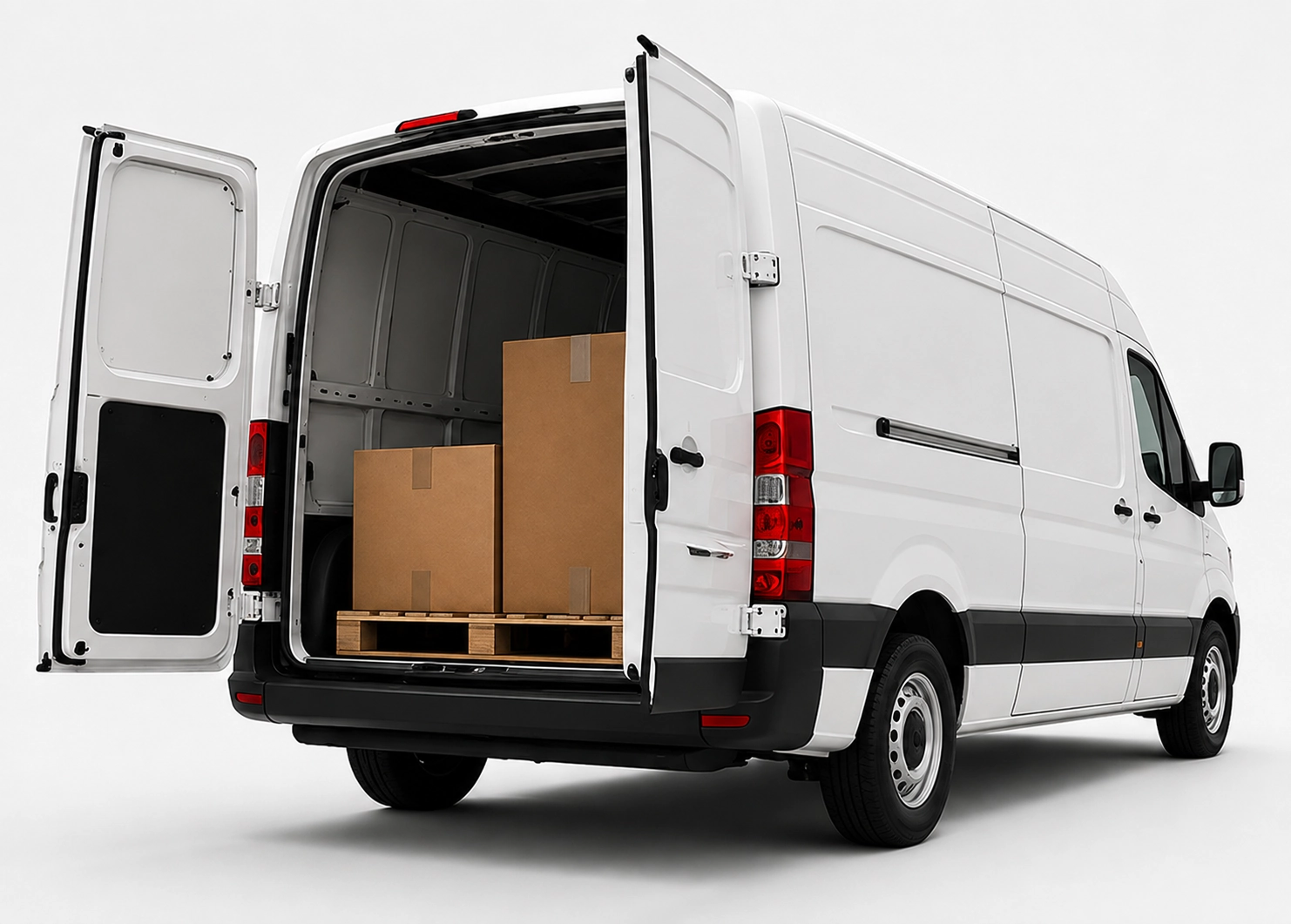
x25pronto Austria carries approved goods shipments by car, van or Van XL personally and without unnecessary transhipment. Direct and overnight trips can be booked Monday to Sunday – subject to availability in the booking calendar.
Pickup windows and time-slot management for couriers
A practical guide on defining pickup windows, communicating them to customers, and controlling slots with booking and dispatch systems. Focus on reliability and simple integrations.
Quick answer
Define clear pickup windows, communicate them to customers, and control slots with a booking and dispatch system. This reduces wait times, avoids unnecessary trips and improves planning for courier partners.
Why pickup windows matter
Pickup windows create predictability for shippers and couriers. They cut idle driving and waiting. For companies they mean better capacity use, clearer customer communication and fewer delays for time-sensitive shipments.
How to define practical time slots
Start from customer needs and operational capacity. Review pickup volumes by site and day. Choose realistic slot sizes: 30 minutes for dense urban areas, 1–2 hours for rural runs. Add buffers for traffic, packing and handover.
Communicating windows to customers
Publish available slots early via online booking, email or checkout. Confirm choices and send SMS reminders to reduce no-shows. Provide clear pickup instructions, including packaging and location details.
Technical control and integration
Use booking and dispatch software that supports slot reservations and real-time availability. The system should expose APIs to sync ERP, e-commerce platforms and route planning. Driver mobile apps enable live status updates.
Operations and roles
Define who approves special slots and who monitors utilization. Train logistics and customer-service teams. Track metrics like pickup punctuality, no-show rate and average wait time to improve processes.
Practical optimization tips
1) Segment customers by pickup profile. 2) Offer premium flexible slots for high demand. 3) Review slot performance regularly. 4) Run tests on slot size at selected locations.
Frequently asked questions
What slot length should I choose?
It depends on volume and geography. Urban areas often work with 30–60 minute slots. Rural areas usually need 60–120 minutes. Always include a buffer for delays.
How do I notify customers about last-minute changes?
Use automated SMS or email alerts and a tracking portal. Offer a phone or chat contact for urgent changes.
Which integrations are essential?
ERP, e-commerce and dispatch APIs are key. Also use driver apps for live updates and a booking API for slot management.
How do I know my time-slot system works?
Monitor KPIs: pickup punctuality, no-show rate, average waiting time and number of post-booking changes. Compare sites and adjust slots accordingly.