

No detours.
Even overnight.
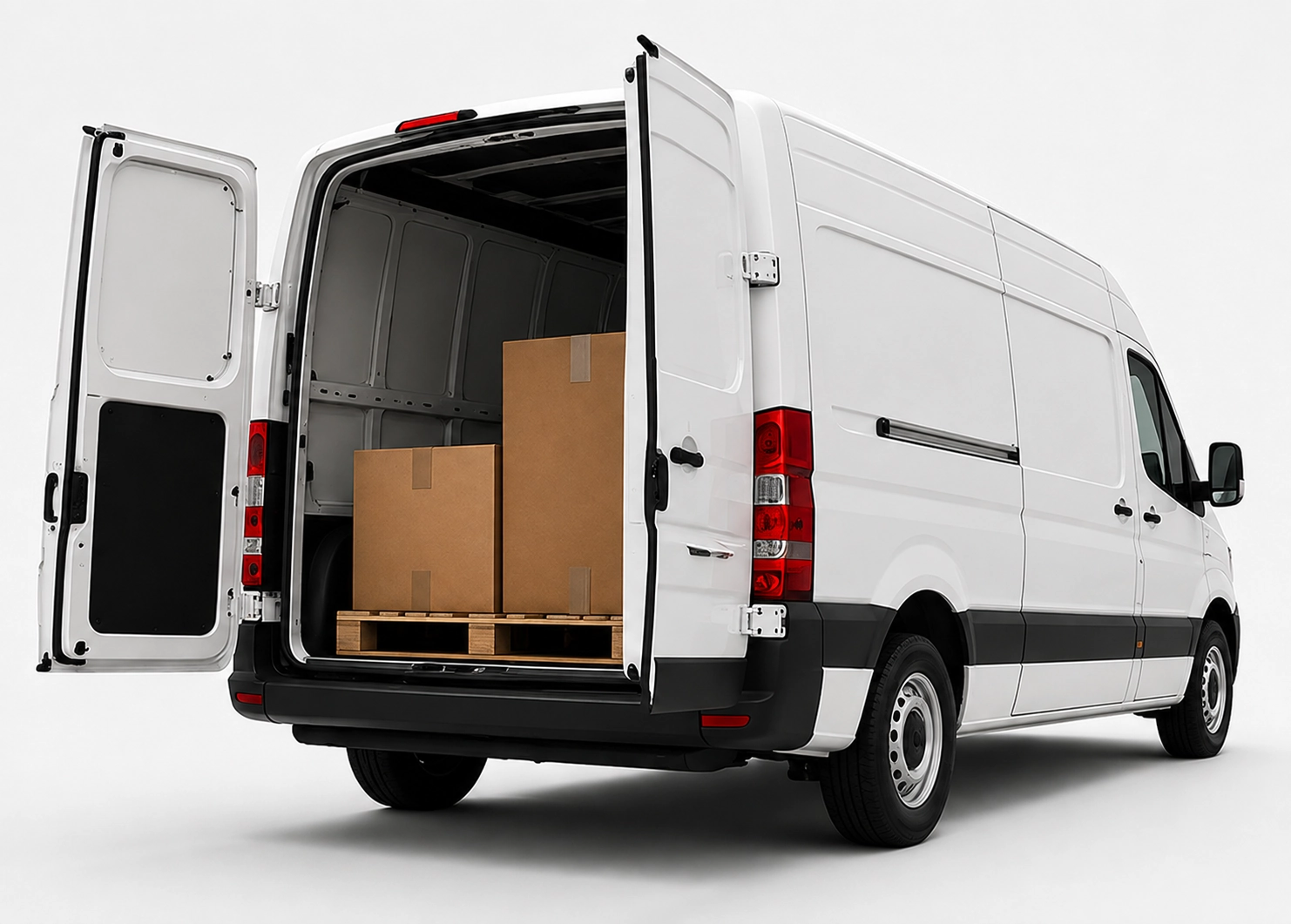
x25pronto Austria carries approved goods shipments by car, van or Van XL personally and without unnecessary transhipment. Direct and overnight trips can be booked Monday to Sunday – subject to availability in the booking calendar.
Checklist: packaging fragile spare parts for courier transport
A practical checklist for businesses: how to package fragile spare parts for safe courier transport in a passenger car — materials, padding, sizes and labels.
Quick answer
Package fragile spare parts so they are protected from shocks, abrasion and moisture, fit the size limits for car couriers and carry clear handling labels. Use impact-absorbing inner padding, a sturdy outer box and secure seals. Mark the contents and handling instructions visibly.
Why proper packaging matters
Fragile spare parts are costly and often mission-critical. Car couriers create bumps, vibration and lateral movement. Correct packaging reduces damage, returns and production downtime.
Prepare: inspect and document the part
Measure length, width, height and weight. Photograph the part from several angles. Note fragile points such as glass, thin edges or bearing surfaces. This guides cushion choice and handling notes.
Outer container: box, crate or hard case
Choose an outer container stronger than the part. Single-wall cardboard is OK for low-risk items; use double-wall or small plastic crates for higher risk. Boxes should not deform easily; protect corners. Always check internal dimensions.
Inner cushioning: materials and layers
Use layered protection: 1) Direct contact: ESD foam or PE foam for sensitive surfaces. 2) Shock absorption: at least two layers of bubble wrap or foam sheets. 3) Void fill: paper pads, biodegradable chips or foam pieces to prevent movement. For electronics, use antistatic materials.
Sizes, weight and pack image for car couriers
Car couriers prefer compact, secure parcels. Recommended single-package max: 80 x 60 x 40 cm; smaller is better. Aim under 20 kg per parcel for safe handling. Place heavy items on the bottom and secure all components to avoid shifting.
Sealing, securing and secondary protection
Seal boxes with strong packing tape (min. 50 mm). Apply cross-taping over openings and sides. Add edge protectors, stretch wrap or straps for high-risk items. Internally fix parts using wedges or custom inserts.
Frequently asked questions
Which padding protects best from impact?
Layered systems work best: a direct foam insert, two layers of bubble wrap or foam for impact, and void fill with chips or paper to stop movement.
How should I label a package for courier drivers?
Use clear 'FRAGILE' stickers, handling arrows and a short description (e.g. 'ECU – handle with care'). Also show sender, recipient, order number and a contact phone number.
Any tips for fragile electronic spare parts?
Use ESD-safe packaging and moisture control. Place electronics in antistatic bags, then in foam inserts; include desiccant pouches to prevent condensation.
What about long or irregularly shaped parts?
Build a custom crate or reinforced carton. Pad the interior walls and secure the part with shaped inserts. Verify dimensions against car courier limits before booking.