

No detours.
Even overnight.
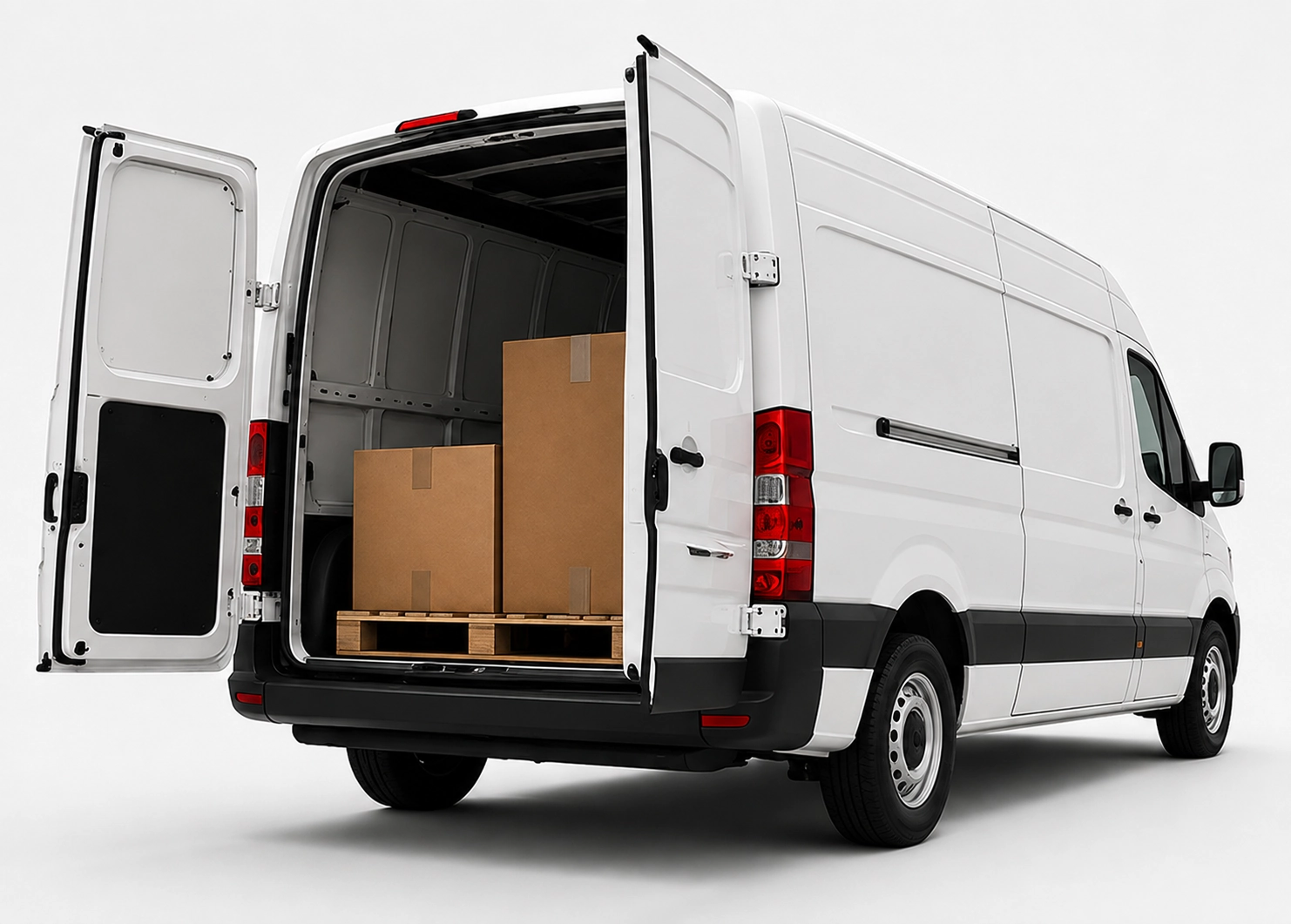
x25pronto Austria carries approved goods shipments by car, van or Van XL personally and without unnecessary transhipment. Direct and overnight trips can be booked Monday to Sunday – subject to availability in the booking calendar.
Digital arrival brief: GPS, gate ID and photo checks for couriers
How to create and embed standardized GPS coordinates, gate IDs and photo checks in courier bookings to improve delivery clarity and documentation.
Quick answer
Create standard arrival briefs in courier bookings by combining GPS coordinates, a clear Gate ID and a photo check. This makes locations easier to find, reduces queries and provides digital proof of delivery for transport or CRM systems.
Why standardized arrival data matters
Unclear addresses and restricted access cost time. Standardized arrival data helps couriers find the location fast and know how to enter. That reduces delays, cuts customer‑service calls and creates a clear digital record of handovers.
Three core elements: GPS, Gate ID, Photo Check
GPS gives precise position. Gate ID is a short, unique field for gate or delivery zone. A photo check documents the drop‑off or handover spot. Together they form a reliable arrival brief.
How to capture and share GPS coordinates
Capture coordinates with a smartphone or GIS tool in WGS84 (latitude, longitude). Use 4–6 decimal places for vehicle deliveries. Store coordinates as a separate field in the booking and show a small map preview in confirmations.
Gate ID: format and best practices
Use short, clear Gate IDs like "Gate A3" or "Yard East Gate 2". Add opening hours, access codes or a contact person. Make Gate ID a required field when sites have multiple entrances to avoid search time.
Photo Check: what photos help most
Request photos of the intended drop spot, the entrance or a distinctive building part. Ask for a customer‑view reference image (signage, door, gate). Provide a small upload field or a link to a photo uploader. Prefer images with a timestamp.
Technical integration into bookings
Add clearly named fields to your booking form: GPS (lat, lon), Gate ID, photo upload. Provide data as a JSON object for API use. Display the info on driver orders, booking confirmation emails and in the driver app.
Frequently asked questions
How accurate should GPS coordinates be?
For vehicle deliveries 4–6 decimal places (approx. 1–10 meters) are usually enough. Use the precision needed without risking data errors from excessive decimals.
What if a photo is not possible?
Provide clear landmarks, gate numbers and short written instructions. A site map or labeled building photo from the customer also helps.
How do we protect sensitive location data?
Limit access to arrival data in your system. Use encrypted transport (HTTPS) and keep personal data only as long as necessary.
Can the driver take the photo at delivery?
Yes. Allow live photo upload in the driver app with a timestamp. This gives immediate condition proof and can replace pre‑upload in many cases.