

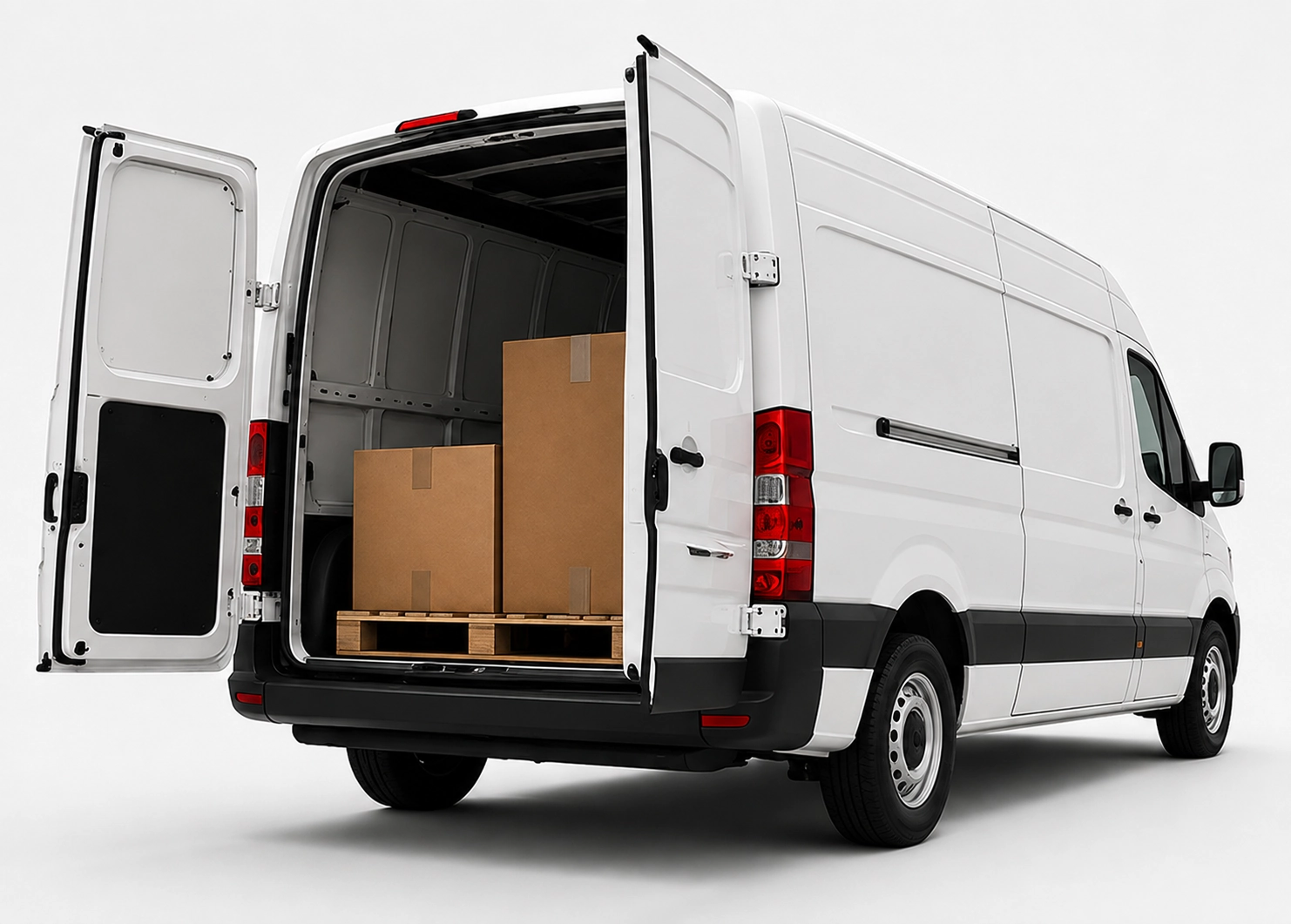
No detours.
Even overnight.
x25pronto Austria carries approved goods shipments by car, van or Van XL personally and without unnecessary transhipment. Direct and overnight trips can be booked Monday to Sunday – subject to availability in the booking calendar.
Optimizing digital notifications: templates, timing and tracking links
Practical guide on building notification templates, choosing send times and using tracking links to increase transparency and lower customer inquiries.
Quick answer
Create standardized templates, set send times based on recipient needs, and use clear tracking links. This reduces inquiries, improves transparency and enhances delivery experience.
Why structured notifications matter
Clear notifications reduce uncertainty for recipients and cut support workload. When customers know when a delivery will arrive and how to track it, inquiries fall and operations run smoother. Structured communication builds trust and supports efficient workflows in shipping and customer service.
Build templates: content, tone and variants
Use modular templates: greeting, status info, clear next steps and contact options. Keep tone factual and brief. Create variants for key events: booking confirmation, pickup confirmed, in transit, delivery attempt, delivered, exception. Use placeholders for names, shipment IDs and time windows to personalize without manual work.
Define optimal send times
Choose send moments along the delivery flow: booking confirmation, pickup confirmation, dispatch, notice before delivery (e.g. 60–120 minutes prior), and delivery confirmation. Tailor times to recipient profiles: B2B addresses often prefer weekday mornings; private customers respond more in evenings. Test time slots and track open and response rates.
Use tracking links effectively
Provide short, stable tracking links that clearly show status. Add UTM parameters for analytics, but avoid long URLs in SMS. Offer a short URL that redirects to the full tracking page. Tell recipients what the link shows (current location, estimated window) so they know what to expect.
Measure and optimize: KPIs and A/B tests
Key KPIs include open rate, tracking click rate, response rate to inquiries and on-time delivery rate. Run A/B tests for subject lines, send times and link formats. See which combinations lower support contacts and prevent delivery issues. Use results to refine templates and schedules.
Privacy and compliance basics
Respect privacy: avoid unnecessary personal data in messages and store tracking links securely. Obtain any consent required for SMS or push messages. Document processing and retention for tracking data according to GDPR requirements.
Frequently asked questions
How many notifications are too many?
Aim for relevance: 4–6 status messages per shipment are usually enough (booking, pickup, dispatch, delivery notice, delivery, exception). Extra messages can annoy customers if they add no value.
Should I use SMS, email or push?
Use the channel the customer prefers. SMS has high visibility for time-critical notices; email works for longer details; push is good for app users. Offer channel choice in customer profiles.
How do I make tracking links mobile-friendly?
Use short links, responsive landing pages and clear status displays. Avoid long parameters in visible link text. Test on common mobile devices and varied network conditions.
What should a problem-notification template include?
State the issue briefly (e.g. incorrect address), list concrete next steps for the recipient, provide contact options and a resolution time window. Include links to forms or callback requests.