

No detours.
Even overnight.
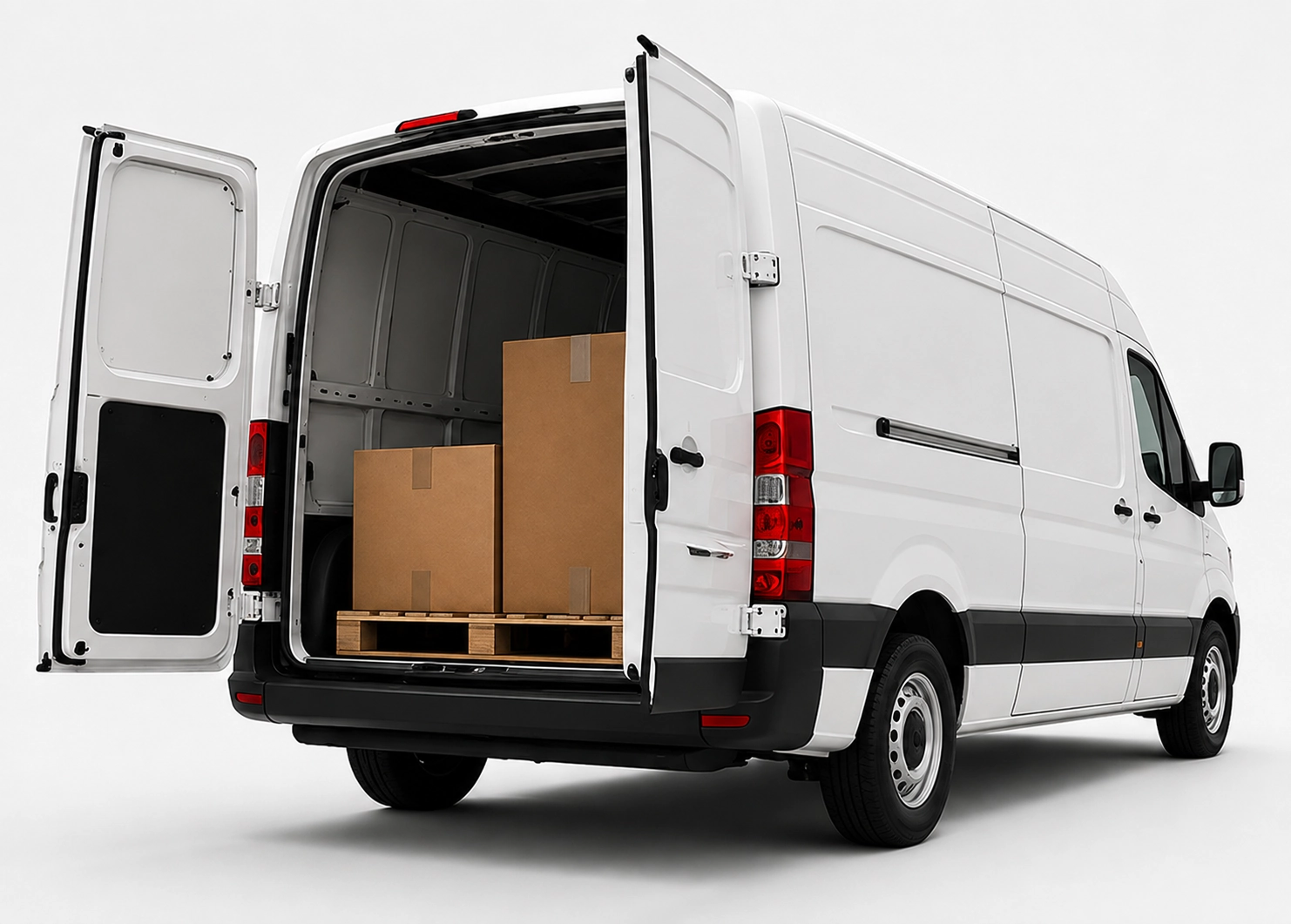
x25pronto Austria carries approved goods shipments by car, van or Van XL personally and without unnecessary transhipment. Direct and overnight trips can be booked Monday to Sunday – subject to availability in the booking calendar.
Digital proof of receipt for courier handovers
Explains how digital proof of receipt replaces paper at courier handovers, what GDPR requires and how companies can implement the technology practically.
Quick answer
Digital proof of receipt replaces paper forms at courier handovers. It records pickups and deliveries electronically, reduces errors and saves timestamps, signatures or photos. For companies in Wien, Graz or Linz it is a practical alternative if GDPR and internal procedures are observed.
Why use digital proof of receipt?
Digital receipts make handovers faster and traceable. They reduce paper, prevent lost slips and simplify archiving. A timestamp and digital signature provide a clear delivery confirmation. Companies with repeated courier tasks lower admin time and avoid common errors.
Digital vs. paper: pros and cons
Digital advantages: instant availability, better search, easy ERP integration, photos for damage evidence. Drawbacks: technical needs, user training and device dependency. Paper needs no tech and remains familiar. Many firms choose a hybrid approach: digital for standard jobs and paper for exceptions.
Data protection and legal considerations
Digital receipts process personal data (name, signature, location). GDPR applies. Key steps: document purpose, define legal basis (e.g. contract performance), restrict access, set retention periods and sign a data processing agreement with the provider. Store data encrypted and log access events.
Technical options and features
Common features: e-signature, photo upload, GPS timestamp, barcode scan and automatic PDF generation. Solutions run on smartphones or tablets. Ensure offline capability for low-coverage routes. APIs let you link to ERP, CRM or accounting systems.
How to implement in your company
Start with a pilot at one site, for example a warehouse in Salzburg. Define clear goals: time saved, fewer data errors. Train drivers and receiving staff briefly and practically. Check integrations with SAP, Microsoft Dynamics or accounting systems. Set procedures for exceptions like missing signatures or damaged packages.
Practical process improvements
Standardize fields (recipient name, phone, receipt date) for easier reporting. Photos of damage secure liability. Automatic notifications to the sender reduce follow-ups. Archive receipts in a way that supports audits and complaint handling.
Frequently asked questions
Are digital proofs of receipt legally valid?
Generally yes, if integrity and traceability are ensured. Use audit trails and secure storage, and document processes. Consult legal counsel for specific cases.
What data should a digital receipt include?
Include recipient name, signature or confirmation, timestamp, location (if needed) and optionally a photo or comment. Limit collection to what is necessary.
How do I ensure GDPR compliance?
Sign a data processing agreement with vendors, set retention rules, encrypt data, restrict access and document the legal basis and purpose. Conduct a DPIA if processing is high-risk.
Will the system work without network coverage?
Many solutions offer offline mode. Data is stored locally and synced when a connection is available. Verify this feature when selecting a provider.