

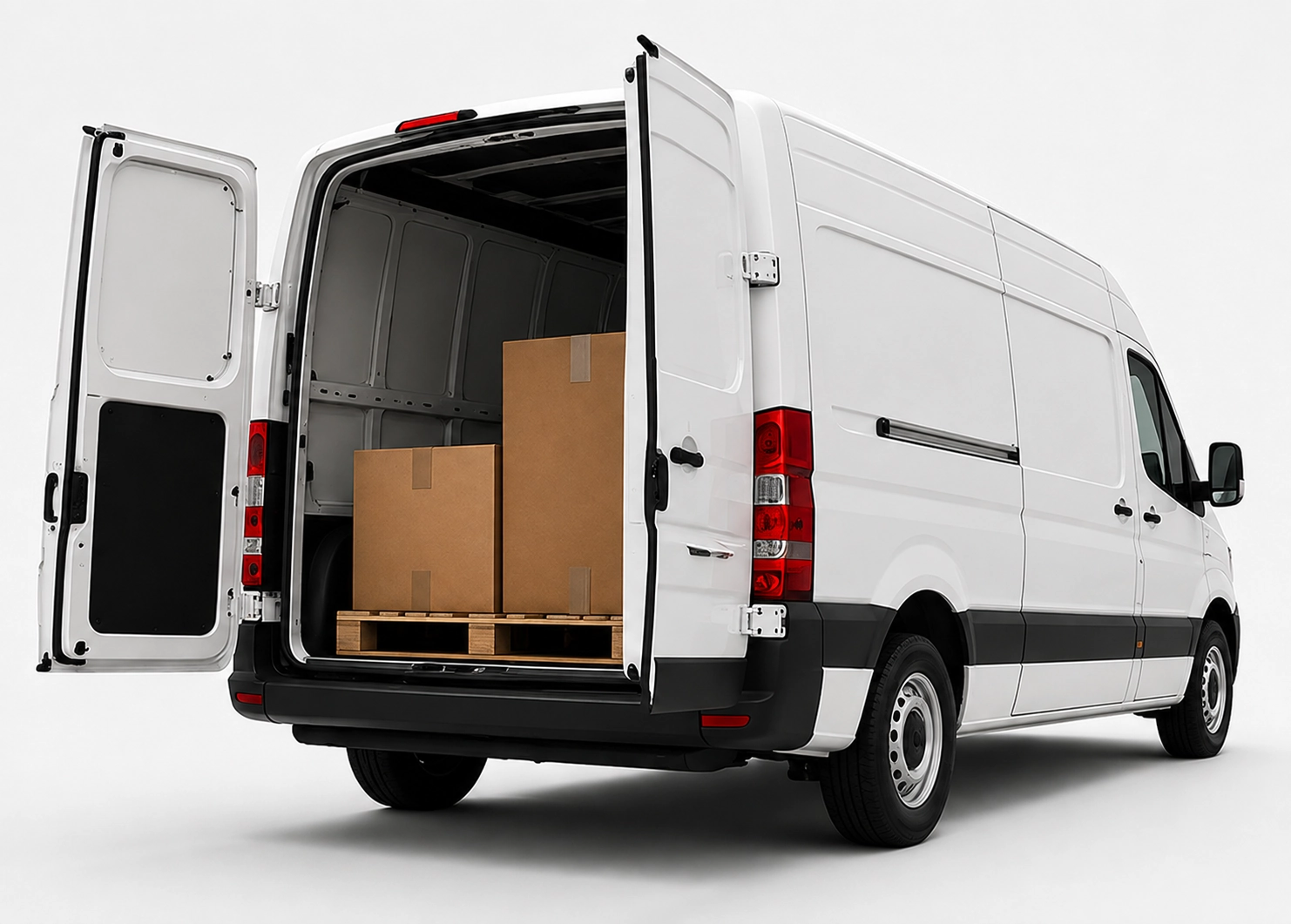
No detours.
Even overnight.
x25pronto Austria carries approved goods shipments by car, van or Van XL personally and without unnecessary transhipment. Direct and overnight trips can be booked Monday to Sunday – subject to availability in the booking calendar.
Real-time dispatch systems: benefits for city courier runs
Real-time dispatch systems cut deadheading, speed response times and improve tracking. This article compares manual dispatch with real-time systems, lists KPIs and gives practical implementation steps for urban couriers.
Quick answer
Real-time dispatch systems make city courier runs more efficient with dynamic assignment, reduced dead mileage and better tracking. Compared with manual dispatch, they improve utilization, delivery times and customer transparency.
What is a real-time dispatch system?
A real-time dispatch system ties live vehicle data, order flow and mapping together. It automatically assigns jobs and updates routes based on traffic, time windows and vehicle capacity. The system reprioritizes tasks as conditions change.
Manual dispatch vs. real-time systems: a quick comparison
Manual dispatch relies on experience, phone calls and spreadsheets. It works for low volumes or fixed routes. Real-time systems automate decisions, cut communication load and react instantly to disruptions. Benefits include faster response, fewer planning errors and easier scaling.
Key KPIs to measure success
Track before and after: delivery time per shipment (turnaround), on-time delivery rate, deadhead percentage, jobs per hour and customer satisfaction. Also monitor vehicle utilization and average route length to judge efficiency.
Specific benefits for urban courier runs
In cities, real-time systems reduce dead mileage by clustering nearby pickups and drop-offs. They handle low-emission zones, parking limits and temporary closures. Better ETAs improve customer communication. For clients in Wien, Linz or Graz this means more reliable, transparent deliveries.
Practical implementation steps
1) Define goals: set KPIs and timeline. 2) Audit data: vehicle trackers, order and customer records, maps. 3) Run a pilot in one zone or shift. 4) Adjust processes: update driver and dispatcher workflows. 5) Measure and tune: review KPIs regularly. 6) Roll out gradually.
Technical and organizational requirements
You need GPS trackers, stable mobile connectivity and an interface to your order system. Staff training is essential. Roles like dispatcher, IT admin and drivers must adopt new routines. Also ensure secure handling of location data and compliance with privacy rules.
Frequently asked questions
How quickly will I see improvements?
Initial gains often appear within weeks during a pilot: fewer dead miles and better on-time rates. Full benefits appear after process adjustments and training, usually in 3–6 months.
Is it worth it for small courier firms?
Simple systems may suffice for very small operations. But if you handle variable orders, tight time windows or plan to grow, real-time dispatch typically delivers quick efficiency improvements.
Which data is essential to run a system?
Essential data are live vehicle positions, order details (pickup/delivery addresses, time windows, size) and current traffic. Address validation and customer contact info are also important.
How do I avoid privacy issues?
Limit location use to business purposes, inform staff and customers, use encrypted connections and role-based access controls.