

No detours.
Even overnight.
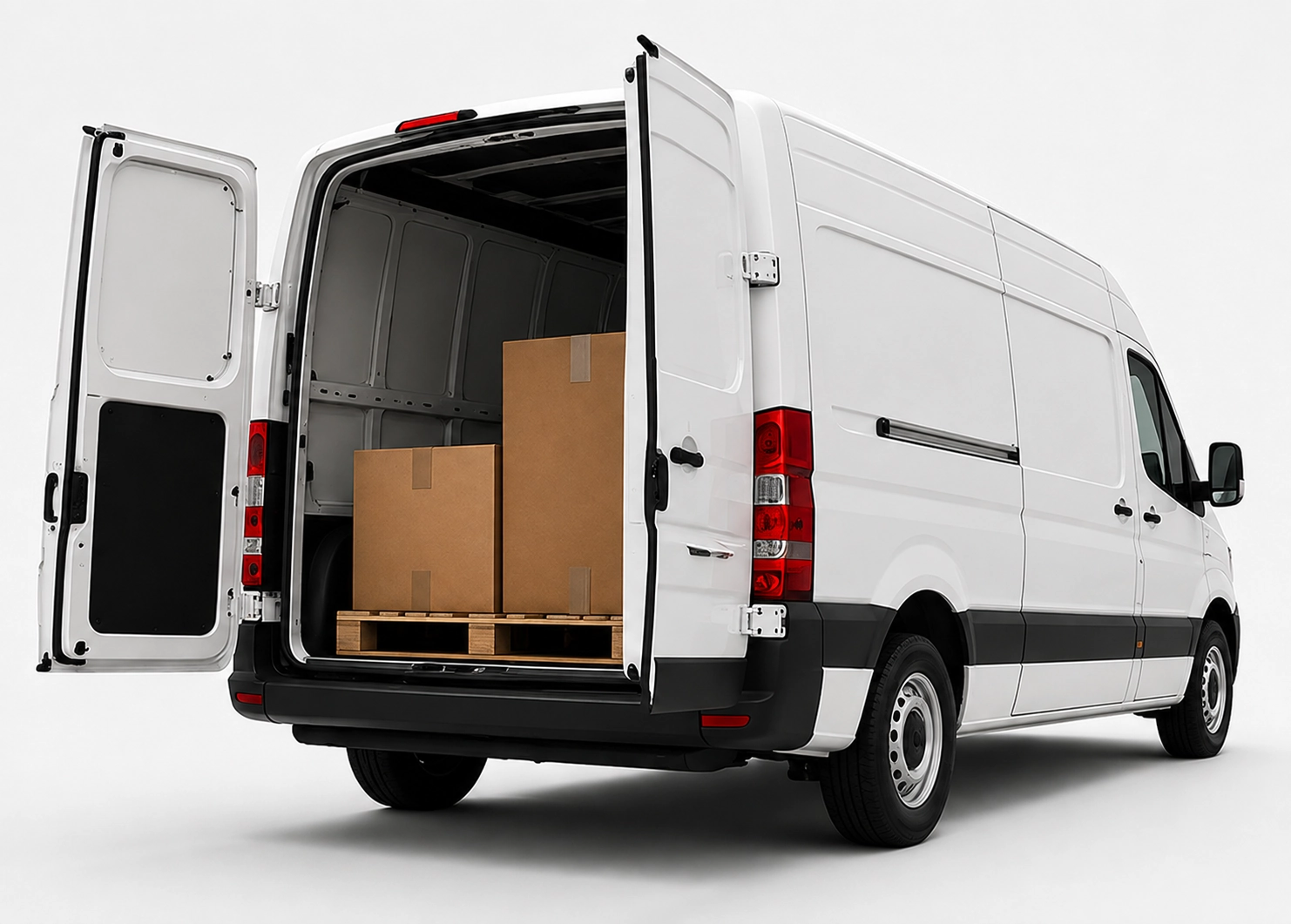
x25pronto Austria carries approved goods shipments by car, van or Van XL personally and without unnecessary transhipment. Direct and overnight trips can be booked Monday to Sunday – subject to availability in the booking calendar.
Parking and delivery logistics in inner cities: Practical tips for businesses
How can businesses deliver in city centers without long searches or fines? Clear guidance on parking zones, short-term stops and practical workflows.
Quick answer
Plan urban deliveries in advance: identify local parking zones, reserve or use short-term stops correctly, optimize routes for short stops, and train drivers on signs and loading times. This reduces fines, delays and extra costs.
Why city logistics needs different planning
Inner cities have limited space, strict parking rules and frequent changes. Delivery vehicles often may only stop briefly. Businesses must know local rules to avoid delays and penalties.
Understand and use parking zones
Cities usually define resident zones, short-term parking, loading bays and no-stopping areas. Check signs and local regulations for places like Wien, Graz or Linz. Loading bays may have time limits. Keep digital maps or municipal portals handy.
Short-term stops: rules and best practice
Short-term stops allow unloading for a few minutes up to an hour. Some municipalities require registration or vehicle marking. Use these stops for multiple sequential deliveries within the same area.
Legal tips: permits and documentation
Check if you need a permit for regular deliveries. Temporary no-stopping zones can be applied for larger deliveries. Carry delivery notes, vehicle lists and any resident notices to ease inspections.
Practical measures to avoid congestion and fines
Schedule delivery windows outside peak times. Consolidate shipments and use smaller vehicles allowed as passenger cars. Train drivers to read signs and perform fast handovers. Use digital booking and live communication with recipients.
Internal workflow: delivery checklist
Make a short checklist: verify address, identify parking zone, reserve a short-term stop where possible, carry required permits, inform recipient. A routine reduces delays for multi-stop routes.
Frequently asked questions
When do I need a permit for loading bays?
A permit is often required for regular recurring deliveries or when you need a temporary no-stopping zone. Check with the municipality, municipal authority or traffic authority responsible for the delivery location.
How long can I stay at a short-term stop?
Allowed duration varies by municipality and signage. Typical limits range from 5 to 60 minutes. Follow local signs or online city guidance.
How can I avoid fines during city deliveries?
Plan routes, use official loading bays, follow signs and permits, and document deliveries. If unsure, contact the local authority ahead of time.
Are smaller vehicles better for inner-city deliveries?
Yes. Smaller passenger cars or station wagons fit into short-term stops more easily. They simplify maneuvering and reduce parking constraints.