

No detours.
Even overnight.
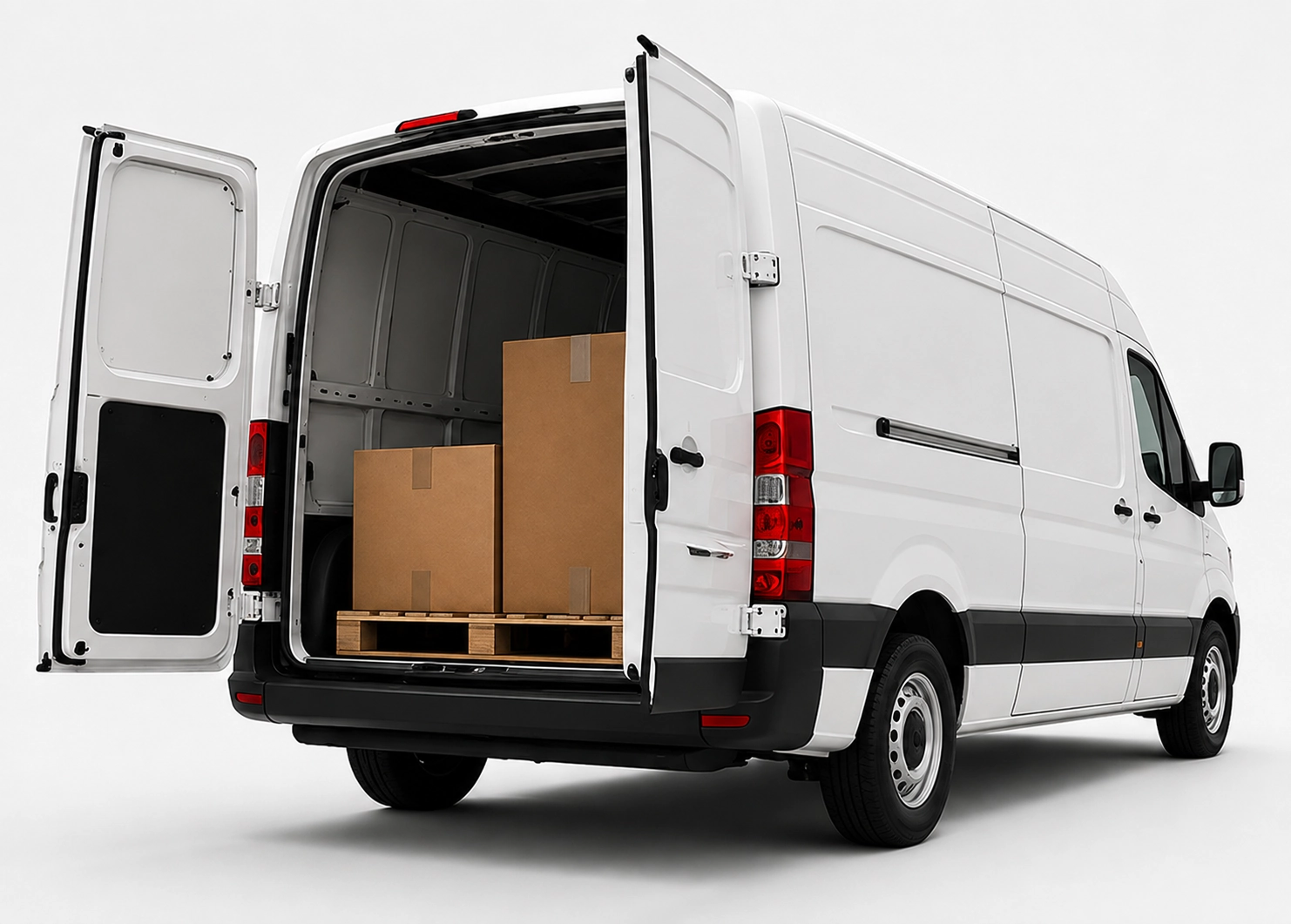
x25pronto Austria carries approved goods shipments by car, van or Van XL personally and without unnecessary transhipment. Direct and overnight trips can be booked Monday to Sunday – subject to availability in the booking calendar.
Planning and optimising regular site routes
A practical guide to planning and optimising regular site routes. Focus on consolidating multiple pickups, setting time windows and reducing transport costs.
Quick answer
Plan regular site routes by consolidating pickup points, defining fixed time windows and using route-optimisation tools. This shortens driving time, lowers cost per shipment and creates reliable schedules across your German sites.
When should you set up regular routes?
If several sites or customers in the same area need daily or weekly pickups, a planned route pays off. Regular routes reduce travel and handling time, cut admin work and make per-shipment costs predictable.
Collect data first
Log pickup locations, volumes, packing needs, preferred times and contact persons. Run a two- to four-week survey before fixing routes. Accurate data leads to better optimisation and fewer surprises on the road.
Consolidation: bundle multiple pickups
Group nearby pickups by location and time. Check minimum quantity or volume limits. Some items can be safely combined with simple repacking. The aim is fewer stops and higher vehicle utilisation.
Time windows and SLA basics
Define fixed pickup windows for each site, e.g. 08:00–10:00 or 14:00–16:00. This stabilises planning and helps local staff prepare shipments. Make response times and escalation steps clear to avoid delays.
Technology: route tools and integrations
Use software that factors stop priority, load capacity and traffic. Modern tools offer batch planning, mapping and ETAs. Integrate with booking or ERP systems to automate pickup requests.
Costs and KPIs to track
Track cost per tour and cost per pickup. Useful KPIs: stops per tour, vehicle utilisation percentage, km per stop and on-time rate. Iterate improvements; small changes in time windows or stop order often yield big savings.
Frequently asked questions
How many stops per tour are optimal?
It depends on volume, package sizes and traffic. Urban routes often handle 10–20 stops efficiently; rural tours usually fewer. Focus on vehicle utilisation and keeping time windows.
Does packaging matter for consolidation?
Yes. Standard, secure packaging makes combining pickups easier. Label items that must be separated at delivery. Avoid unstable loads when mixing customers in one vehicle.
How quickly do optimisation savings appear?
Results vary. With several daily pickups in close proximity, benefits can show within weeks. Savings come from fewer kilometers, fewer stops and lower admin costs.
Can I connect route planning with existing booking systems?
Yes. Many route planning tools offer APIs to connect with booking or CRM systems. This reduces manual entry and speeds up pickup scheduling.