

No detours.
Even overnight.
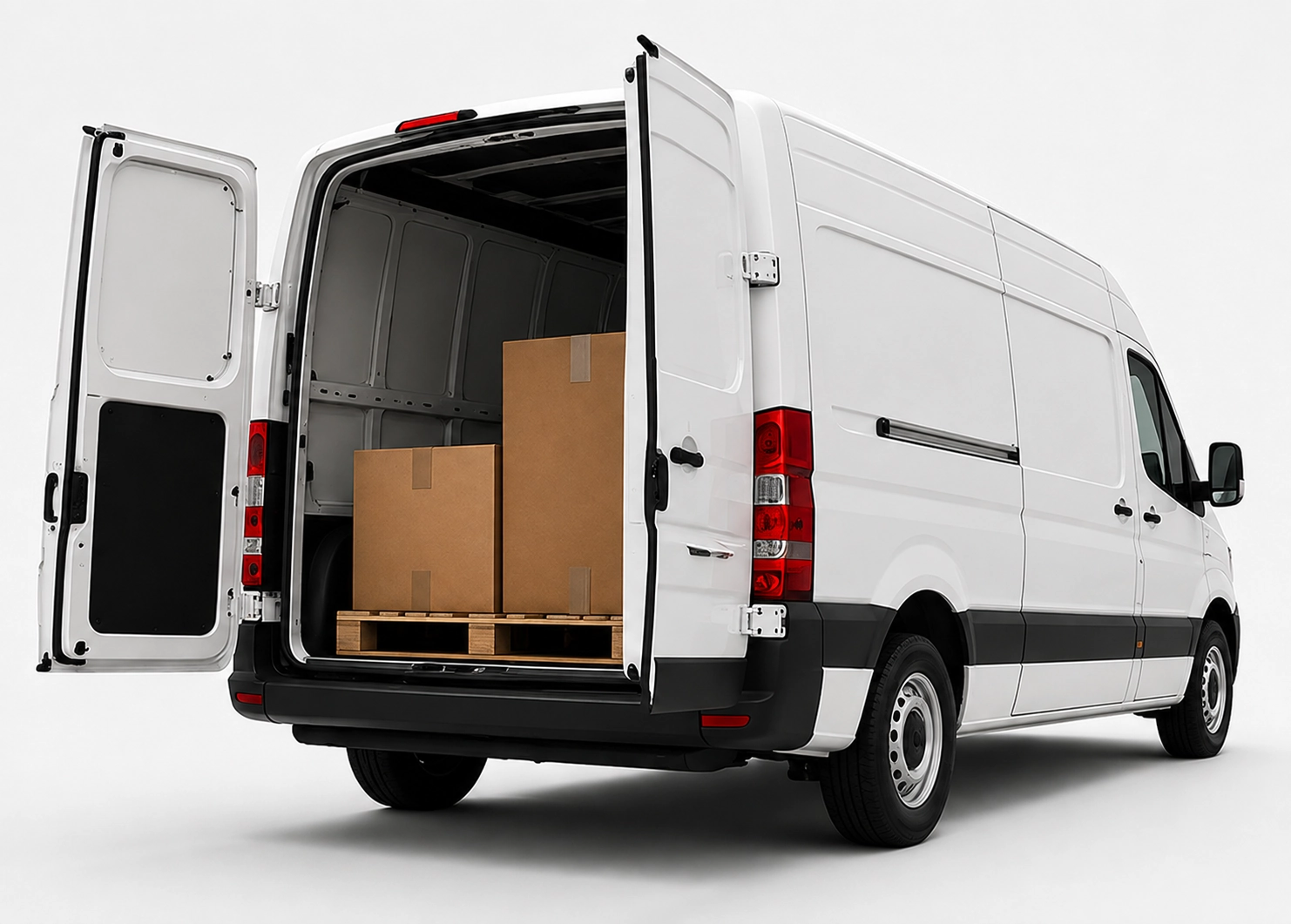
x25pronto Austria carries approved goods shipments by car, van or Van XL personally and without unnecessary transhipment. Direct and overnight trips can be booked Monday to Sunday – subject to availability in the booking calendar.
Routing and route planning for time-sensitive personal handovers
Plan routes so time-sensitive personal handovers arrive on time—use realistic time windows, distribute buffers and apply traffic-aware diversion strategies.
Quick answer
For time-sensitive personal handovers you need precise routing, smart buffer allocation, and urban traffic tactics. Set realistic time windows, place buffers at likely delay points, and use real-time traffic data. This raises on-time handovers in cities like Wien, Graz and Linz.
Why special planning matters for personal handovers
Personal handovers often require someone to be present. Unlike parcel lockers, appointments are fixed. Delays directly affect satisfaction and repeat business. Clear routes and buffers improve reliability for time-critical deliveries.
Set realistic time windows
Choose time windows that match urban reality. A 60-minute window can be more reliable than 15 minutes in city centers. Factor in parking and walking time. Share an accurate ETA and a short contact window for last-minute changes.
Allocate buffers where they matter
Put buffers where delays happen: tight access points, busy loading zones, and transfer nodes. Use staggered buffers: small buffers (5–10 minutes) between nearby stops and larger buffers (15–30 minutes) before critical handovers. This keeps plans flexible without breaking the whole day.
Optimize route sequence
Sequence stops by priority (time-critical first), distance and current traffic. Use routing tools that suggest alternative orders and routes. Consider local restrictions like one-way streets and permitted parking. In dense areas, plan short walks instead of forcing a parking spot.
Use real-time traffic and diversion tactics
Integrate traffic feeds for congestion, construction and closures. Decide early if a diversion is faster or if it adds risk. Keep secondary streets and ring roads as options when main arteries are blocked. Update ETAs and notify recipients when you change course.
Communicate clearly with sender and recipient
Clear communication reduces stress. Send ETAs, brief delay notices and exact meeting points (entrance, floor, name). Provide a contact number for live coordination and reconfirm details if plans change.
Frequently asked questions
How large should buffers be in city handovers?
Use staggered buffers: 5–10 minutes between close stops, and 15–30 minutes before critical handovers or where parking is difficult.
Do real-time traffic feeds really help?
Yes. They let you spot congestion and closures early, choose faster routes and keep ETAs accurate, lowering unexpected waiting time.
Should time-critical stops go first or last?
Schedule time-critical stops early, ideally in the first half of the day, to reduce the chance that earlier issues push them back.
Best way to tell recipients about delays?
Send a short update with new ETA and reason for delay. Offer a contact number and reconfirm the exact meeting point.