

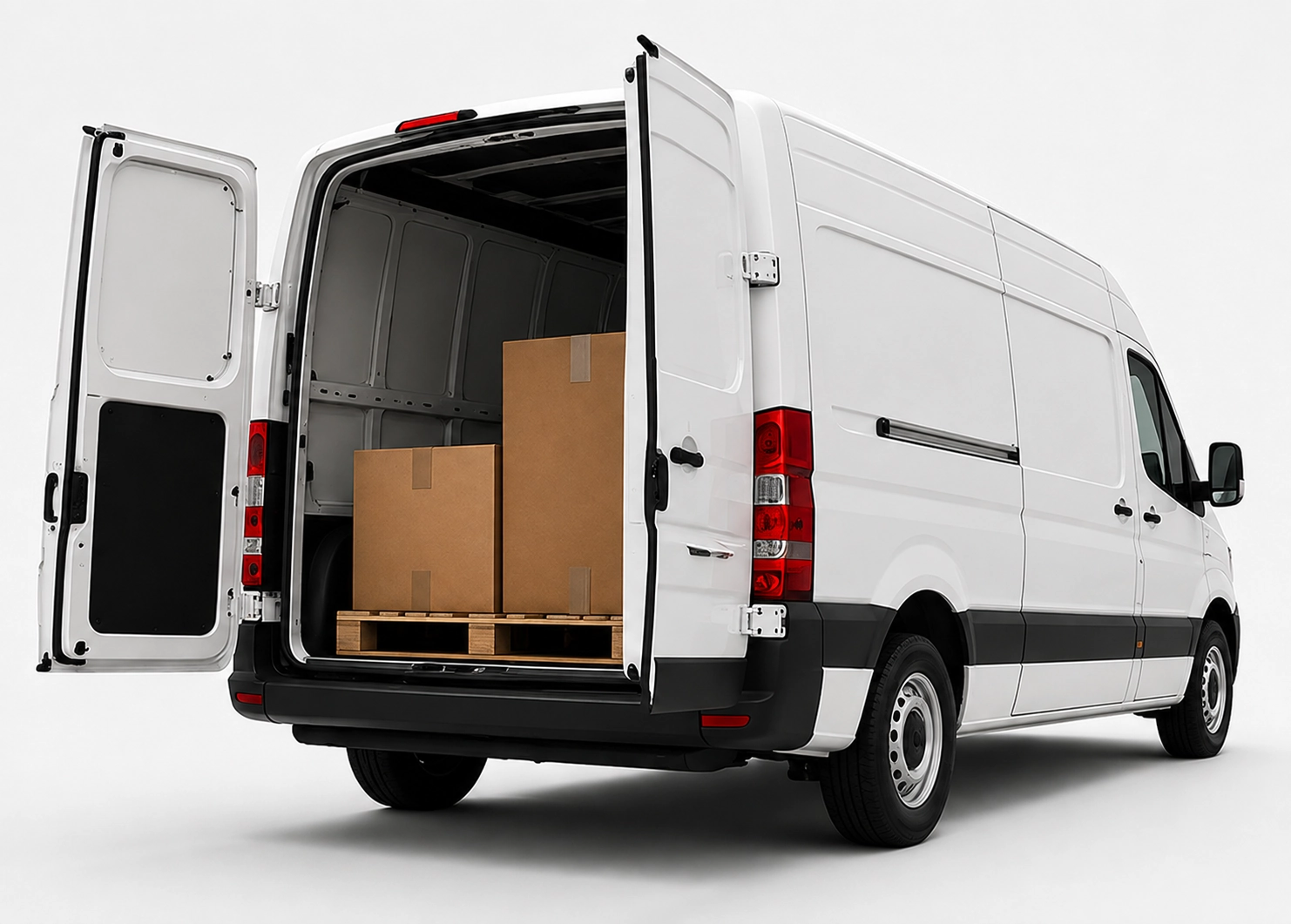
No detours.
Even overnight.
x25pronto Austria carries approved goods shipments by car, van or Van XL personally and without unnecessary transhipment. Direct and overnight trips can be booked Monday to Sunday – subject to availability in the booking calendar.
Urgent shipments national vs international: differences and documents
In short: National urgent shipments often need only a delivery note. EU and non‑EU urgent shipments require additional customs paperwork, commercial invoices and clear goods descriptions. This checklist helps your process.
Quick answer
For urgent domestic shipments in Austria a delivery note is often enough. For urgent EU and non‑EU shipments you need a commercial invoice, customs documents and clear descriptions including HS codes. Prepare these documents before pickup to avoid delays.
1. Overview: What changes for international urgent shipments?
Domestic urgent shipments stay straightforward: pickup, delivery note, recipient info. Cross‑border urgent shipments add customs forms, origin declarations and sometimes export controls. Having papers ready speeds handover at pickup.
2. Documents for domestic urgent shipments (within Austria)
Common documents: delivery note or consignment note with sender and recipient details, pickup and delivery addresses, short content description and value if required. For high‑value or sensitive goods add a packing list and a signed authorization for third‑party pickup.
3. Documents for urgent EU shipments
Shipments inside the EU typically need no customs clearance. Still prepare a commercial invoice showing goods description, quantity and value, packing list, and applicable Incoterms. Include VAT identification numbers for intra‑EU supplies. Certain goods may need certificates or permits.
4. Documents and customs notes for non‑EU destinations
Non‑EU exports require a commercial invoice (preferably in English), a customs declaration, and a customs content statement. For shipments above national thresholds an export declaration (Ausfuhranmeldung) is needed. Provide HS codes, detailed descriptions and any required export licenses or permits.
5. Practical checklist: extra papers by destination
Austria (domestic): delivery note, packing list, sender and recipient info. EU: commercial invoice with VAT IDs, packing list, Incoterms. Non‑EU: commercial invoice (English), HS codes, export declaration, customs statement, certificate of origin (if requested), export license (if applicable).
6. Packaging, labelling and handover tips
Use sturdy packaging and clear labels with recipient address and a contact number. For urgent freight mark pickup and delivery times clearly. For valuable items add visible handling notes and an internal reference number for tracking.
Frequently asked questions
Do I need an export declaration for an EU urgent shipment?
No. Typically you do not need an export declaration for shipments inside the EU. Still prepare a commercial invoice and include VAT IDs if relevant.
When is a certificate of origin required?
A certificate of origin is required when the destination country or the buyer requests it for tariff preferences or proof of origin. Confirm with the importer or the destination customs authority.
How do I find the correct HS code?
HS codes are found in the national customs tariff (TARIC in Austria). Use the online tariff database or consult your customs broker. Incorrect codes can cause holds or additional charges.
What if documents are missing at pickup?
The courier may refuse pickup or hold the shipment until documents are provided. This causes delivery delays and potentially extra costs. Always prepare paperwork before pickup.