

No detours.
Even overnight.
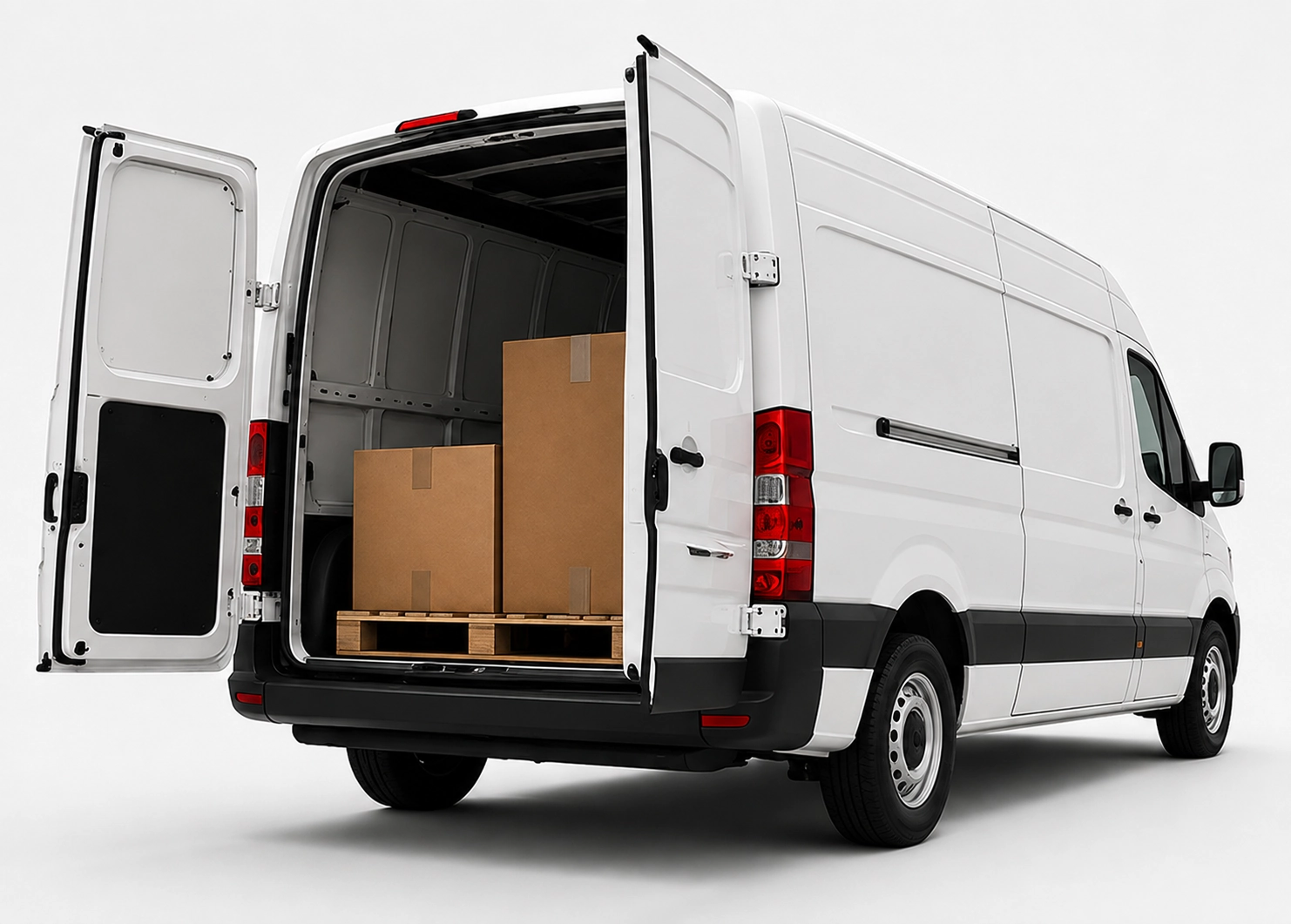
x25pronto Austria carries approved goods shipments by car, van or Van XL personally and without unnecessary transhipment. Direct and overnight trips can be booked Monday to Sunday – subject to availability in the booking calendar.
Shipment safety: Proper packaging for delicate small parts
Protect small delicate parts during courier transport: choose the right padding, fix items inside the box and run quick tests. Use a checklist before handover.
Quick answer
Package delicate small parts to protect them from shocks, vibration and moisture. Use suitable cushioning, secure interior fixation and a sturdy outer box. Run simple drop and shake checks and follow a pre-shipment checklist before handing to the courier.
Why correct packaging matters for small parts
Small parts can fail from impact or vibration. Fasteners, sensors and precision components are often sensitive. Good packaging reduces returns, rework and interruptions. For businesses in Austria, a documented packing process also helps with customer disputes.
Material choices: inner cushioning and outer box
Match materials to shape and fragility. For shock absorption use bubble wrap, foam inserts (cut or molded) and kraft paper fill. For electronics choose antistatic bags and VCI film for corrosion protection. The outer box should be sturdy corrugated board or plywood for heavy loads. Use double-walled boxes when needed.
Secure interior fixation to stop movement
Fix items individually in cavities, foam trays or with separators. Prevent free rolling. Use void fill to lock parts in place. Numbered inner packaging helps recipients check contents quickly.
Simple pre-shipment tests
Run basic tests before sealing: a shake test (no rattling), a controlled drop from short heights, and a visual check of seals and fixings. Take photos of the packed item. If damage repeats, test multiple samples to find weak points.
A short checklist for handover to the courier
Use a clear checklist for routine packing: 1) Item cleaned and inspected? 2) Correct inner cushioning used? 3) Parts fixed and labelled? 4) Outer box intact and right size? 5) Fragile labels applied? 6) Photos and documentation saved? 7) Weight and dimensions recorded? Tick every box before booking the courier.
Notes for electronics and metal components
Electronics: use ESD-safe packaging, moisture barriers and small desiccants. Metal parts: separate to avoid scratches and use VCI film if corrosion is a risk. Mark sensitive shipments clearly for the driver.
Frequently asked questions
What cushioning is best for very small, heavy parts?
Dense foam inserts or preformed foam trays give the best protection. Combine inserts with crumpled paper to avoid contact with the outer wall.
How do I test packaging without lab equipment?
Do simple at-desk tests: shake, and drop the packed box from 30–60 cm onto a hard surface. Inspect and photograph. These tests reveal common weaknesses.
When should I use double boxing?
Double boxing is useful for high-value or very fragile items. An inner padded box inside a stronger outer box reduces punctures and compression damage.
Does labelling a box 'fragile' guarantee careful handling?
Labels help but do not guarantee special treatment. Use clear labels together with secure packaging and documentation for best results.