

No detours.
Even overnight.
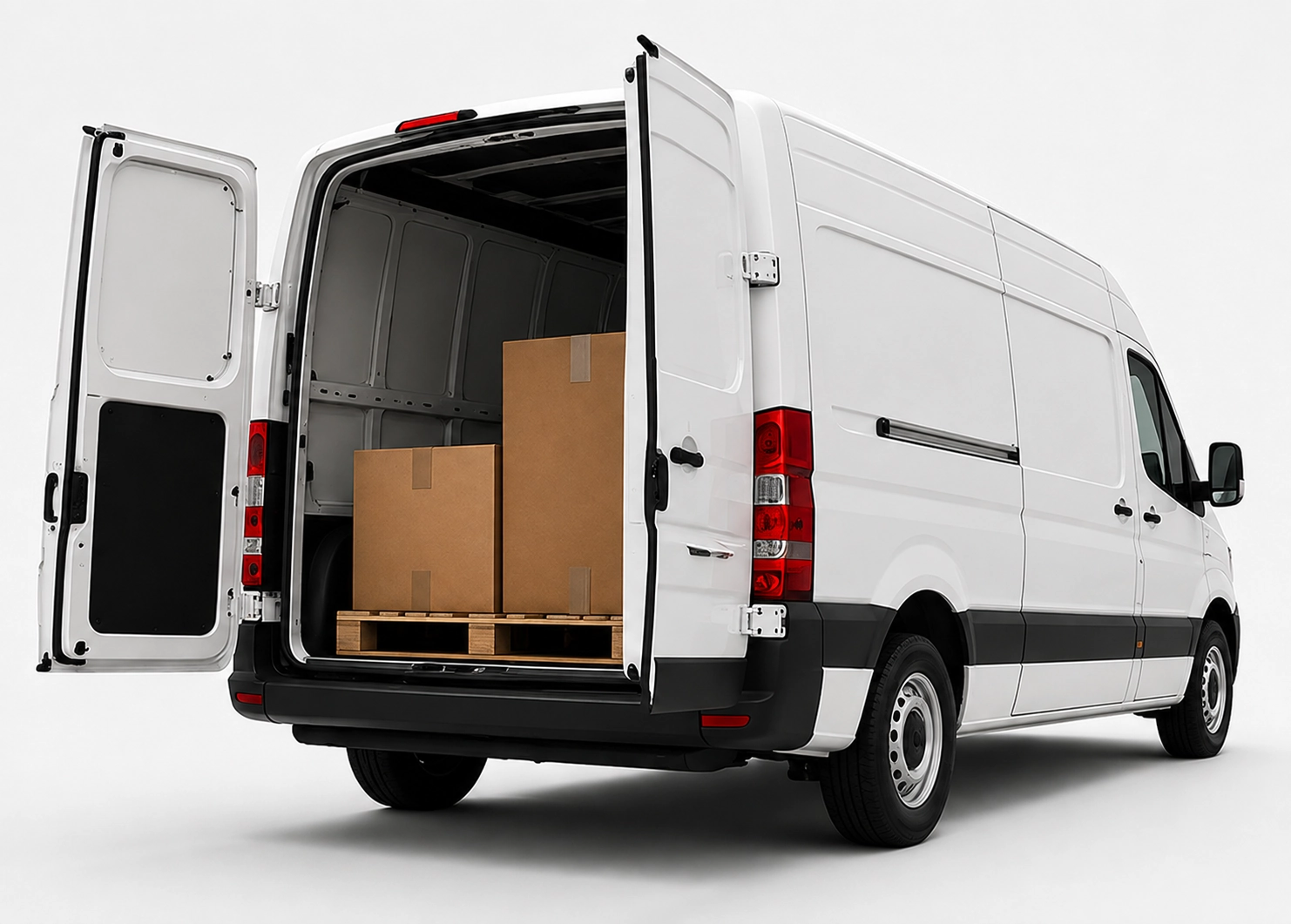
x25pronto Austria carries approved goods shipments by car, van or Van XL personally and without unnecessary transhipment. Direct and overnight trips can be booked Monday to Sunday – subject to availability in the booking calendar.
Safe packing for courier transport: checklists and material tips
Detailed packing lists by product category and short training modules for shipping staff. Protect shipments during direct courier and overnight car transport.
Quick answer
Short answer: Pack so the contents are protected from shocks, moisture and movement. Use appropriate cushioning, a sturdy outer box and secure seals. Follow our category checklists for electronics, spare parts, documents, textiles and fragile items, plus short training modules for staff.
Why correct packing matters for courier transport
Courier trips are short but active: loading, transport in passenger cars and quick handovers require stable packaging. Proper packing reduces damage risk, queries and delays. It protects your product and reputation with customers in cities like Wien, Graz or Linz.
Basic rules before packing
1) Choose an outer box with 5–10 cm clearance on all sides. 2) Fill voids completely with cushioning. 3) Prevent loose parts from shifting. 4) Mark fragile areas and handling instructions. 5) Check weight and volume: is the parcel suitable for the vehicle?
Checklist: Electronics and sensitive devices
Materials: sturdy corrugated cardboard, antistatic bubble wrap, foam inserts, edge protectors, packing tape. Steps: a) Power down and secure devices. b) Use antistatic wrap for sensitive components. c) Center the device with at least 5 cm cushioning around. d) Add edge protection. e) Label as fragile when needed.
Checklist: Spare parts, metal and plastic components
Materials: strong cartons, corrugated inserts, shrink wrap, small parts bags, labels. Steps: a) Group small parts in labeled bags. b) Cover sharp edges. c) Place heavy parts at the bottom, light ones on top. d) Use separators to avoid metal-on-metal contact. e) Include a packing list inside.
Checklist: Documents, samples and textiles
Materials: water-resistant envelopes, flat cartons, tissue paper, cardboard dividers. Steps: a) Seal important documents in waterproof envelopes. b) Fold textiles cleanly and separate with tissue paper. c) Use flat boxes for sample swatches. d) Put address info inside and outside.
Checklist: Fragile items and lab equipment
Materials: bubble wrap, foam padding, double-wall boxes, shock-absorbing cushions. Steps: a) Use multi-layer cushioning all around. b) Use dividers or custom-cut inserts. c) Apply visible fragile labels. d) Include an emergency contact for damaged shipments.
Frequently asked questions
What box size is ideal?
Use a box that leaves 5–10 cm of space around the item. This allows proper cushioning and prevents movement.
How do I label a courier shipment correctly?
Put sender and recipient clearly on the outside. Add handling labels (e.g. "Fragile", "This Side Up"). Include a packing list inside.
Which cushioning materials work best for courier trips?
Bubble wrap, foam inserts and edge protection give good protection for short courier transports.
Do I need different packaging for returns?
For returns, use durable or reusable packaging and clear return labels. Keep original parts separated from replacements.