

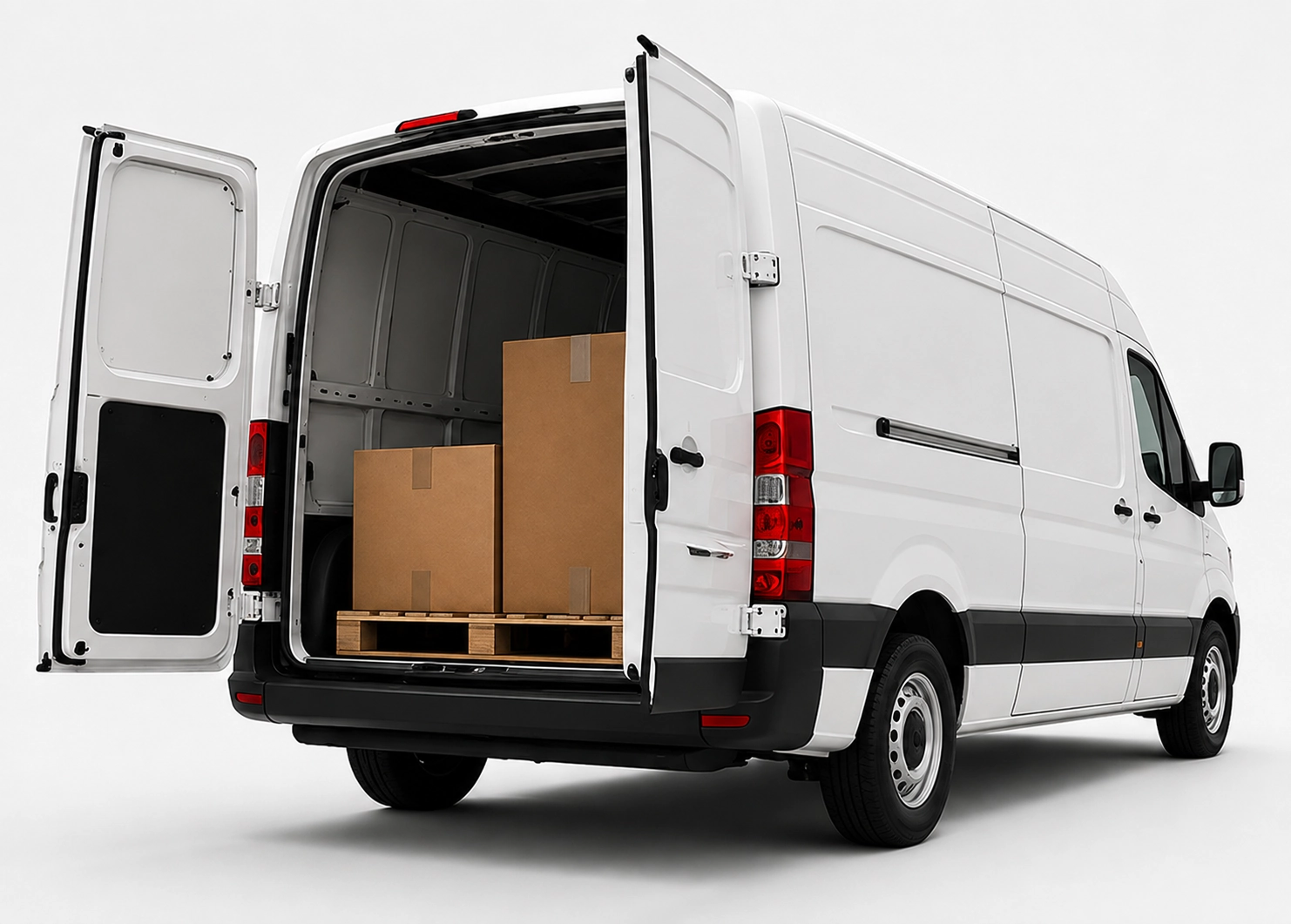
No detours.
Even overnight.
x25pronto Austria carries approved goods shipments by car, van or Van XL personally and without unnecessary transhipment. Direct and overnight trips can be booked Monday to Sunday – subject to availability in the booking calendar.
Secure short-distance logistics: Tips for valuable spare parts
Short-distance transports of valuable spare parts need clear packing, firm load securing and clean handover. These practical tips reduce damage and delays.
Quick answer
Short-distance logistics for valuable spare parts works well when packing, labeling, load securing and documented handover are in order. Pack sensitive items with impact protection, use rigid inner supports and flexible cushioning. Label break-sensitive and orientation info clearly. Choose the right transport type — direct courier or scheduled pickup — and document condition and handover with photos and a receipt.
Why short-distance needs special planning
Short runs look simple. But time pressure and frequent handling increase risk. Small damage on a costly part can stop production. Plan each trip with packing type, delivery time window and a clear handover routine in mind.
Packing: layers, fixation, materials
Start with a snug outer box. Use rigid inner supports like foam inserts, cut foam or structured cardboard. Fix the part so it cannot move. Protect delicate surfaces with film or felt. Use clean, dry materials and avoid sharp edges.
Labeling and paperwork
Mark boxes clearly: 'Fragile', 'This Side Up' and include part numbers. Add a packing list and keep digital documents (invoice, material data sheet) available for the courier. A checklist inside the parcel helps when verifying at handover.
Load securing in the vehicle
Even in a car: secure the load. Use straps, anti-slip mats and separators so packages cannot collide. Place delicate parts on a flat, stable surface and avoid stacking directly on top of each other.
Handover and documentation
Set clear handover points and times. Take photos of the packed item on pickup and delivery. Keep a short handover protocol: sender, receiver, parcel ID, visible damage, date, time and signatures. Digital confirmations by email or signed photo work well.
Fast communication on deviations
Define escalation paths: who informs about transport damage and who arranges replacements or returns. Use short messages for photo transfer and confirm agreements in writing. Clear communication shortens reaction time.
Frequently asked questions
Which packing materials are recommended?
Foam inserts, structured cardboard cells and bubble wrap as a secondary layer. Avoid loose fill that can shift during transport.
How to document the handover best?
Photograph parcel and labels at pickup and delivery. Keep a short handover sheet with parcel ID, condition, date and signatures. Digital receipts by email are sufficient.
Is a direct courier recommended for expensive parts?
Direct runs reduce handling and touchpoints. If budget allows, they are often the safest choice for high-value or fragile items.
How to prevent damage in a passenger car?
Secure items with straps, use anti-slip mats and place fragile parts on flat surfaces. Do not leave loose packages in the trunk.