

No detours.
Even overnight.
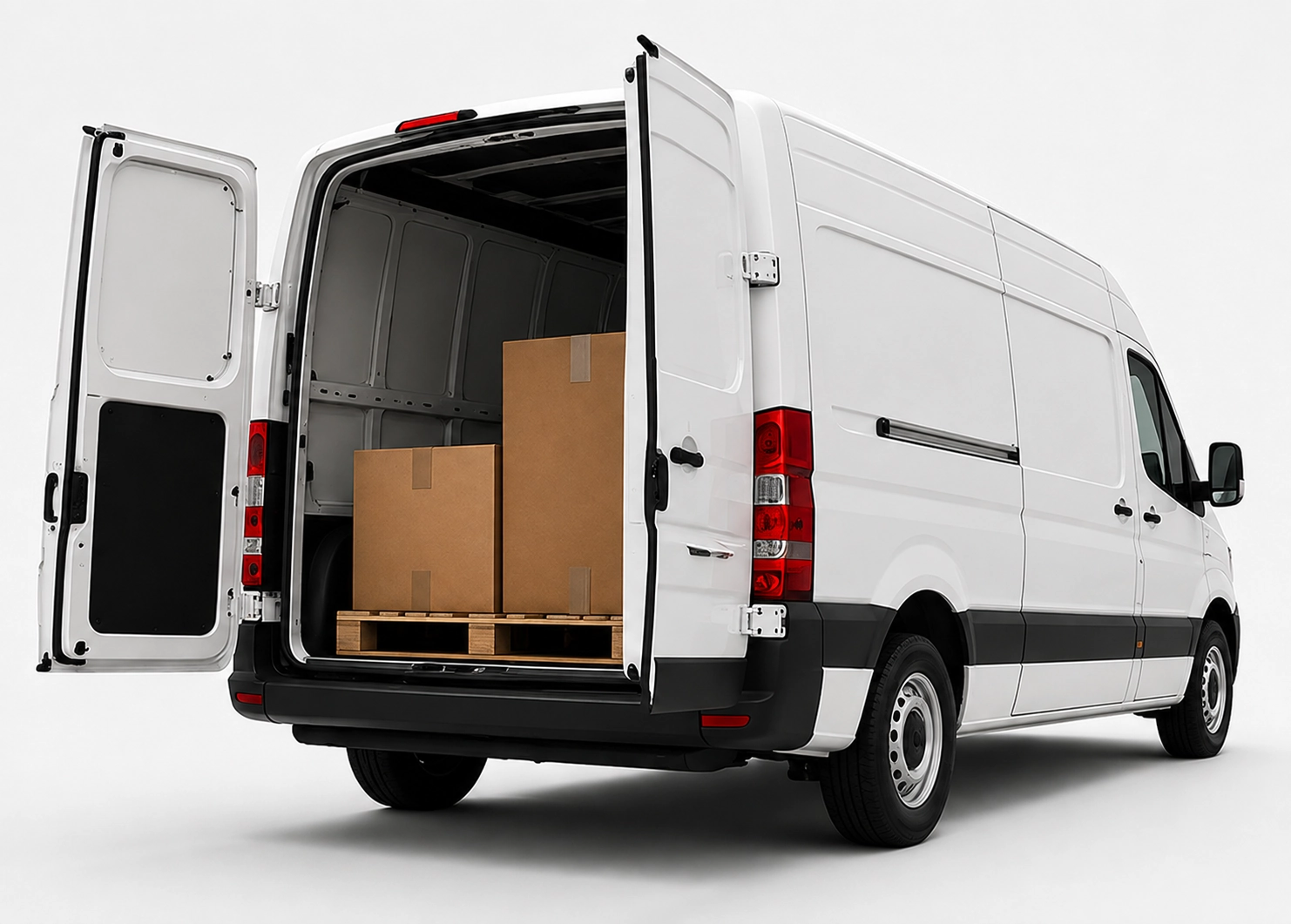
x25pronto Austria carries approved goods shipments by car, van or Van XL personally and without unnecessary transhipment. Direct and overnight trips can be booked Monday to Sunday – subject to availability in the booking calendar.
Reducing downtime: emergency logistics procedures for production
Actionable roles, escalation paths and links to spare‑parts management and production planning to get lines running fast.
Quick answer
Reduce downtime by implementing emergency logistics procedures: assign clear roles, set escalation paths, connect spare‑parts management with production planning, and use direct courier transports for time‑critical deliveries within Austria and the EU. This shortens response times and limits production loss.
Why emergency logistics matter
A machine failure quickly causes lost output. Regular procedures often do not cover time‑critical needs. Emergency logistics set clear responsibilities and deadlines. Everyone then knows who decides, who organizes and how a spare part reaches the line fast.
Concrete roles and responsibilities
Appoint an Incident Owner on the shop floor. This person reports the incident, assesses urgency and triggers escalation. Additional roles: spare‑parts manager, purchasing contact, shift supervisor and courier liaison. Keep contact details and authority levels in a single emergency sheet.
Escalation paths and decision levels
Define three decision levels: 1) Immediate measures (internal) within 30 minutes, 2) Spare‑part order & courier booking within 2 hours, 3) Management escalation for multi‑hour outages. Set thresholds for cost and time that trigger automatic approvals or manual signoffs.
Interfaces to spare‑parts and production planning
Link inventory, bin locations and work orders in one dashboard. Classify parts as A/B/C and prioritize critical items. Maintain minimum stock for A‑parts and simplified ordering for them. Involve production planners to approve temporary routing or short changeovers faster.
Transport: process for time‑critical deliveries
For single, urgent parts, direct courier runs are often fastest. Provide clear order data: pickup point, packaging status, dimensions and priority. Use pre‑agreed couriers or a booking portal for instant dispatch. Ensure packaging is secure and suitable for transport in a passenger vehicle.
Drills, KPIs and continuous improvement
Run emergency drills at least annually. Track KPIs: response time, time to part arrival, repair time and production loss. Hold post‑mortems after incidents and adjust processes, stock levels and escalation rules accordingly.
Frequently asked questions
How fast can a spare part be delivered by courier?
Delivery time depends on distance and availability. Regional courier runs can often deliver within hours. For national emergencies build buffers into escalation plans and use prequalified couriers with quick booking options.
Which parts should be classified as A‑parts?
A‑parts stop whole lines or cause high costs when they fail, such as drives, controllers or gearboxes. These items have priority stock and simplified reordering.
How do I connect courier orders to my systems?
Use a central dashboard or APIs to send order data, addresses and priorities directly to courier platforms. If an API is not available, prepare standard order forms and preconfigured phone contacts.
What packaging and documents are needed for emergency shipments?
Have packing lists, part numbers and secure packaging ready. Mark priority and access instructions. Ensure items are fixed for transport and comply with rules for non‑regulated goods.