

No detours.
Even overnight.
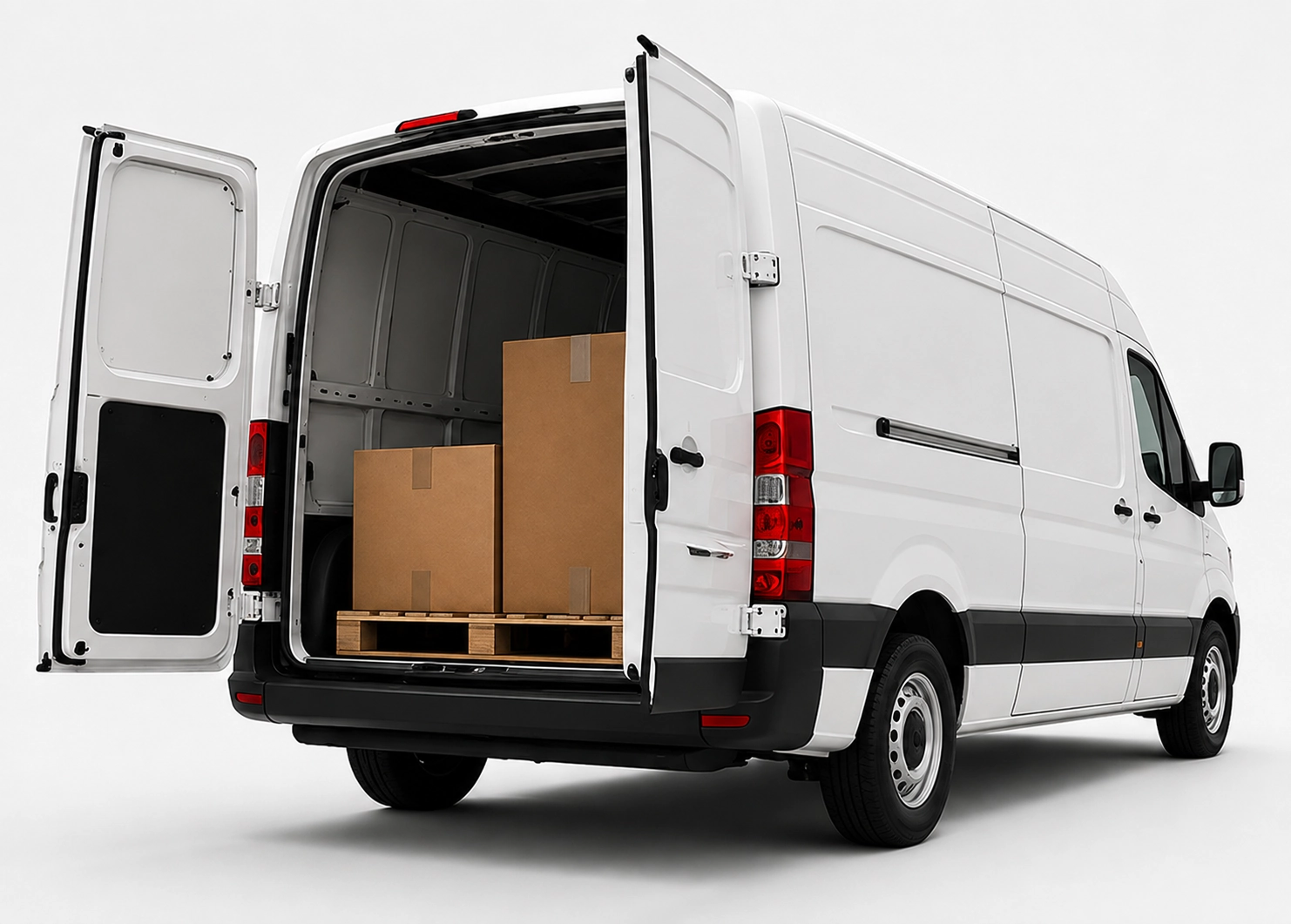
x25pronto Austria carries approved goods shipments by car, van or Van XL personally and without unnecessary transhipment. Direct and overnight trips can be booked Monday to Sunday – subject to availability in the booking calendar.
Packaging checklist for pharmacies: safe, compliant, practical
A concise, practical checklist for pharmacies: how to pack tablets, liquid medicines and non‑sterile aids safely, compliantly and ready for courier pickup.
Quick answer
This checklist explains how pharmacies can pack tablets, liquid medicines and non‑sterile aids (no cooling) safely and in compliance before courier pickup. Key points: intact primary packaging, shock‑protective secondary packaging, clear labeling, sturdy outer carton and secure fastening in the vehicle. Also protect patient data and follow product safety rules for shipments.
Overview: purpose of the checklist
This checklist helps pharmacies pack shipments hygienically, safely and suitable for couriers. It covers tablets, liquid medicines and non‑sterile aids. Excludes cold chain, dangerous goods and specialist regulated transports.
General rules for all shipments
1) Clean packing area and gloves. 2) Complete documents (delivery note, packing slip, customer info) in a clear document pouch. 3) Data protection: do not place patient details visibly on the outside. 4) Use intact, sturdy boxes and tested tape. 5) Use inert packing material that does not react with contents.
Tablets (loose, blister packs, bottles)
Primary: original packaging or child‑resistant containers. Place blister packs in a box sleeve. For loose tablets in a bottle: close tightly. Secondary: surround primary packaging with cushioning (bubble wrap, paper filler). Avoid pressure on blisters. Labeling: order number and discreet handling notes. For prescription items use discreet outer packaging. Choose a box with 2–4 cm internal clearance.
Liquid medicines (syrups, drops) — no refrigeration
Primary: tightly sealed bottles with intact seals. Add protection: bottles in sealed plastic bags or heat shrink. Secondary: stand bottles upright, use dividers and padding top and bottom. Packaging should contain leaks without contaminating the outer box. Label internally for fill level. Check for flammable solvents — exclude if present.
Non‑sterile aids (dressings, empty syringes, meters)
Primary: manufacturer packing or clean sealed bags. Use edge protection for sharp items. Secondary: separate hard and soft items to avoid abrasion. For electronic meters remove batteries or secure against activation and cushion against shocks. Label device type and serial if relevant.
Boxes, fill material and weights
Use sturdy corrugated board rated for the load. Prefer recyclable cushioning. Pack so items cannot shift. Test stackability: heavy items on the bottom. Note gross weight on the box when relevant for the courier.
Frequently asked questions
Should patient details be on the outside of the package?
No. For data protection do not display patient details externally. Use an inside document pouch or a reference number system.
How to handle returned damaged items?
Isolate damaged goods, take photos, notify the courier and manufacturer. Pack replacements or returns separately and clearly mark them.
When is extra leak protection required?
Always when the primary container could leak. Sealed bags or shrink wrap reduce leakage risk during handling.
What handling notes should I give the courier?
Provide notes about fragility, stacking limits and any delivery preferences (for example discreet handover) in the booking form or on the delivery note.