

No detours.
Even overnight.
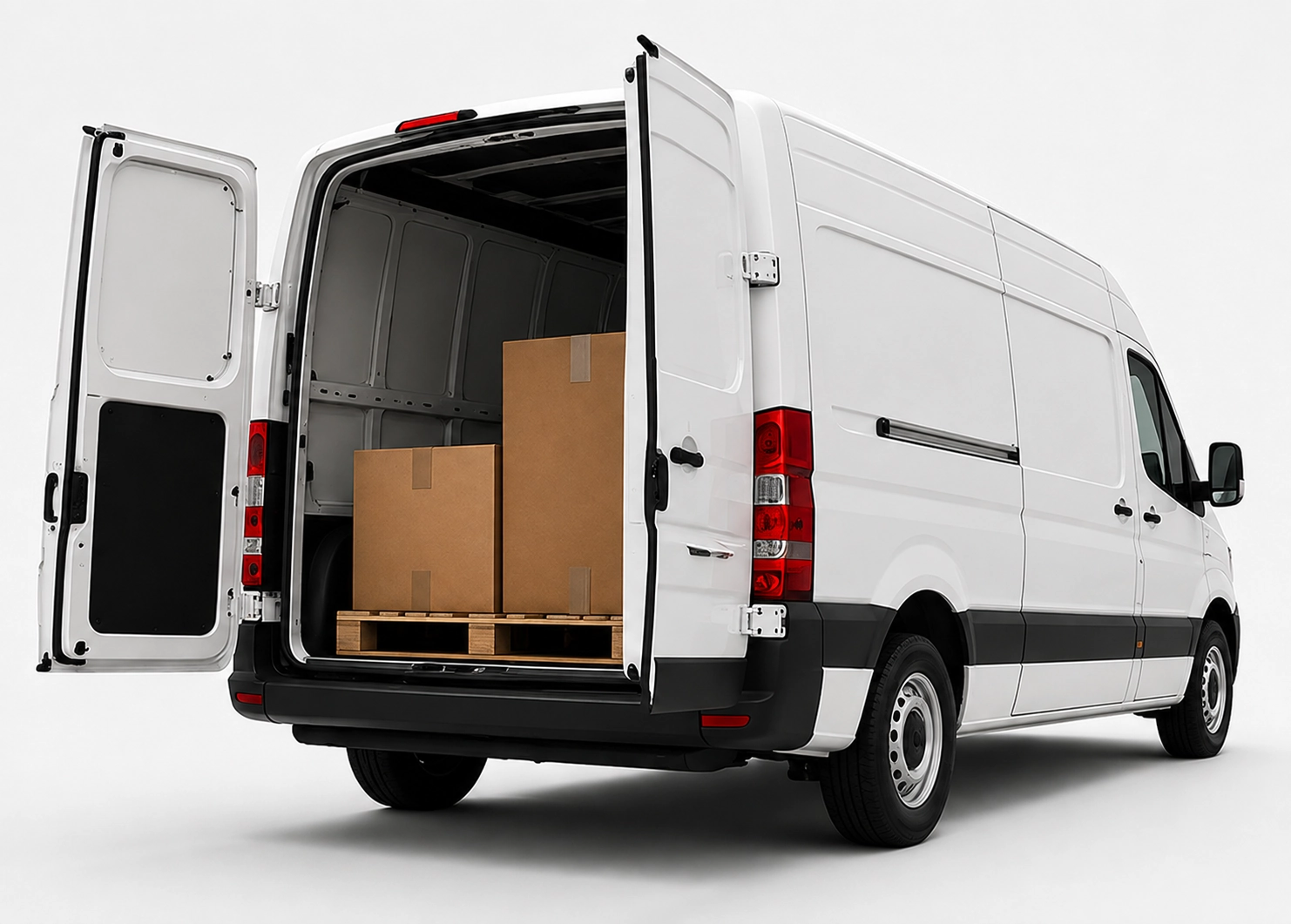
x25pronto Austria carries approved goods shipments by car, van or Van XL personally and without unnecessary transhipment. Direct and overnight trips can be booked Monday to Sunday – subject to availability in the booking calendar.
When an external courier can help a business
An external courier helps when your company needs short-term extra capacity — to cover peaks, urgent single jobs or when internal vehicles are unavailable.
Quick answer
An external courier makes sense when your company needs short-term extra capacity — for order peaks, one-off urgent deliveries, or when internal staff and cars are not available. Using external couriers fills gaps without long-term investment in fleet and administration.
When external couriers are most useful
External couriers work best for short-term order peaks, trade fair and project deliveries, urgent transfers between sites, or when a single valuable item must arrive fast. They also help during staff shortages or seasonal demand.
Advantages versus a permanent in-house solution
You avoid investing in vehicles, maintenance and extra insurance. No steady payroll for additional drivers. You pay only for what you use. You can also compare different providers before committing to fixed capacity.
When an in-house solution makes sense
If you have consistently high shipping volumes, fixed routes, or special requirements (for example, specialised handling), an owned fleet may be cheaper and easier to control in the long term. External couriers suit sporadic or irregular needs.
Cost factors and budgeting
Calculate hourly or per‑kilometre rates, loading and waiting charges, rush fees and insurance. Compare these with internal costs such as vehicle depreciation, driver wages and administration for typical scenarios.
Practical use cases
• E‑commerce peaks: extra same‑day deliveries during busy periods. • Trade fairs: single items or stands delivered on time. • Spare parts: emergency delivery to workshops or production. • Site transfers: urgent documents or samples between offices.
Checklist: choosing the right external courier
• Availability: Can drivers accept jobs at short notice? • Coverage: Does the service reach your delivery areas (e.g. Graz, Linz, Wien) and nearby cross‑border points? • Vehicle fit: Is vehicle size and payload right for your shipment? • Insurance: Are goods and liability covered and documented? • Tracking & communication: Is live tracking and status reporting available? • Response time: How quickly can pickup occur? Start with small runs to evaluate performance before larger assignments.
Frequently asked questions
How quickly can external couriers typically be available?
Many couriers offer pickup within a few hours, and some within 60–120 minutes. Availability depends on region and time of day. Ask the provider for their standard response times.
Do I need special packaging for external couriers?
Proper packaging is your responsibility. Couriers carry only well‑packed items. Use sturdy boxes, cushioning and clear labelling for fragile or high‑value goods.
What liability issues should I clarify?
Clarify damage limits, insurance coverage and responsibilities for loss or damage. Request written terms and compare them among providers.
How can I test a courier service with low risk?
Start with single local jobs. Rate punctuality, communication, condition on arrival and billing. Run tests at different times of day to assess consistency.