

No detours.
Even overnight.
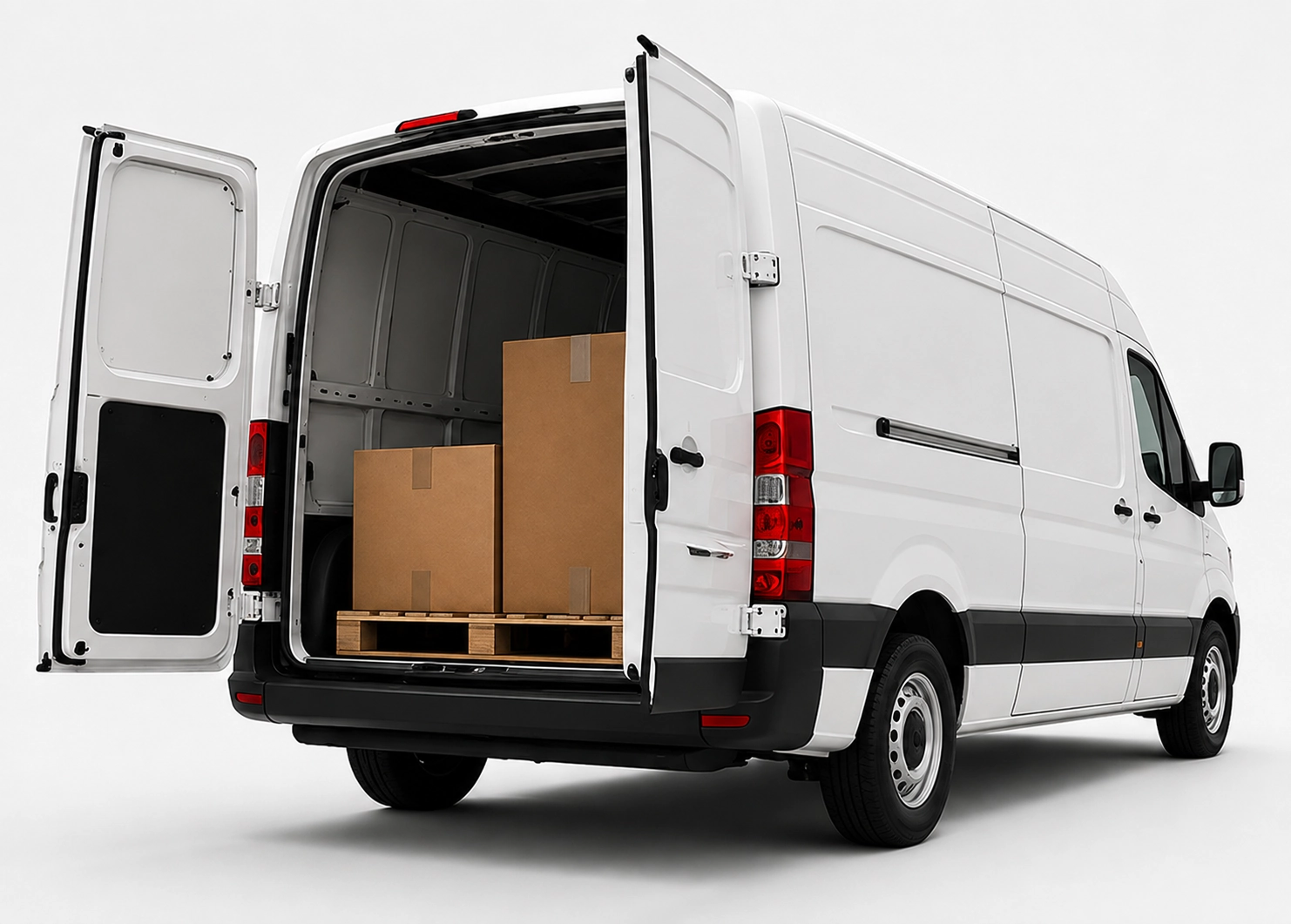
x25pronto Austria carries approved goods shipments by car, van or Van XL personally and without unnecessary transhipment. Direct and overnight trips can be booked Monday to Sunday – subject to availability in the booking calendar.
How buffer time improves customer communication
Buffer time reduces delivery stress. With clear SLAs, live updates and defined escalation paths, you lower customer queries and keep appointments.
Quick answer
Buffer time improves customer communication by creating realistic SLA expectations, providing room for short-term issues, and enabling clear escalation paths. Build intentional reserves into pickup and delivery windows, state the buffers in your SLA, and link them to live updates so customers can see the remaining margin.
Why buffer time matters
Buffer time is more than a cushion. It prevents minor delays from turning into customer complaints. Direct couriers face traffic, parking searches and sudden vehicle changes. Built-in buffers keep operations flexible and communication reliable.
Define buffers clearly in SLAs
Write SLAs with realistic windows. Rather than a tight one-hour promise, use a range like "delivery within 3–5 hours with a 30-minute buffer." Specify when the buffer applies and how it affects customer expectations to avoid misunderstandings.
Live updates and transparent time windows
Link buffer time to tracking and status messages. Send automated updates on departure, progress and delays. A customer who sees a driver has 20 minutes of buffer will stay calmer. Offer precise windows instead of vague estimates.
Set escalation paths
Create clear escalation steps: automatic alerts when a buffer is exceeded, dispatch prioritization, and named customer service contacts. Document contact channels and response times. Customers appreciate knowing when and who to contact.
Practical steps for your company
1) Review historical route timings. 2) Set standard buffers per route. 3) Show buffer status in customer messages. 4) Train dispatch and service teams on escalation scenarios. 5) Test and adjust buffers regularly.
Everyday examples for direct courier services
A pickup window of 08:00–09:00 can be scheduled internally with a 09:15 departure to absorb surprises. For priority shipments add 15–30 minutes before the promised delivery window. State buffers in confirmations and tracking updates.
Frequently asked questions
How large should the buffer be?
It depends on route, traffic and urgency. Use historical data as a guide. For urban direct couriers 15–30 minutes is common; longer routes may need bigger buffers.
Does buffer time affect costs?
Buffers can affect costs indirectly because planning and driving times increase. The key is the benefit: fewer escalations, steadier SLAs and happier customers.
How do I show buffers in bookings?
Include the buffer in the delivery window in confirmations and tracking messages. Example: "Estimated delivery 10:00–11:00 (incl. 20 min buffer)."
What if the buffer runs out?
Trigger the escalation path: inform the customer early, prioritize the shipment in dispatch and offer alternative delivery options where possible.