

No detours.
Even overnight.
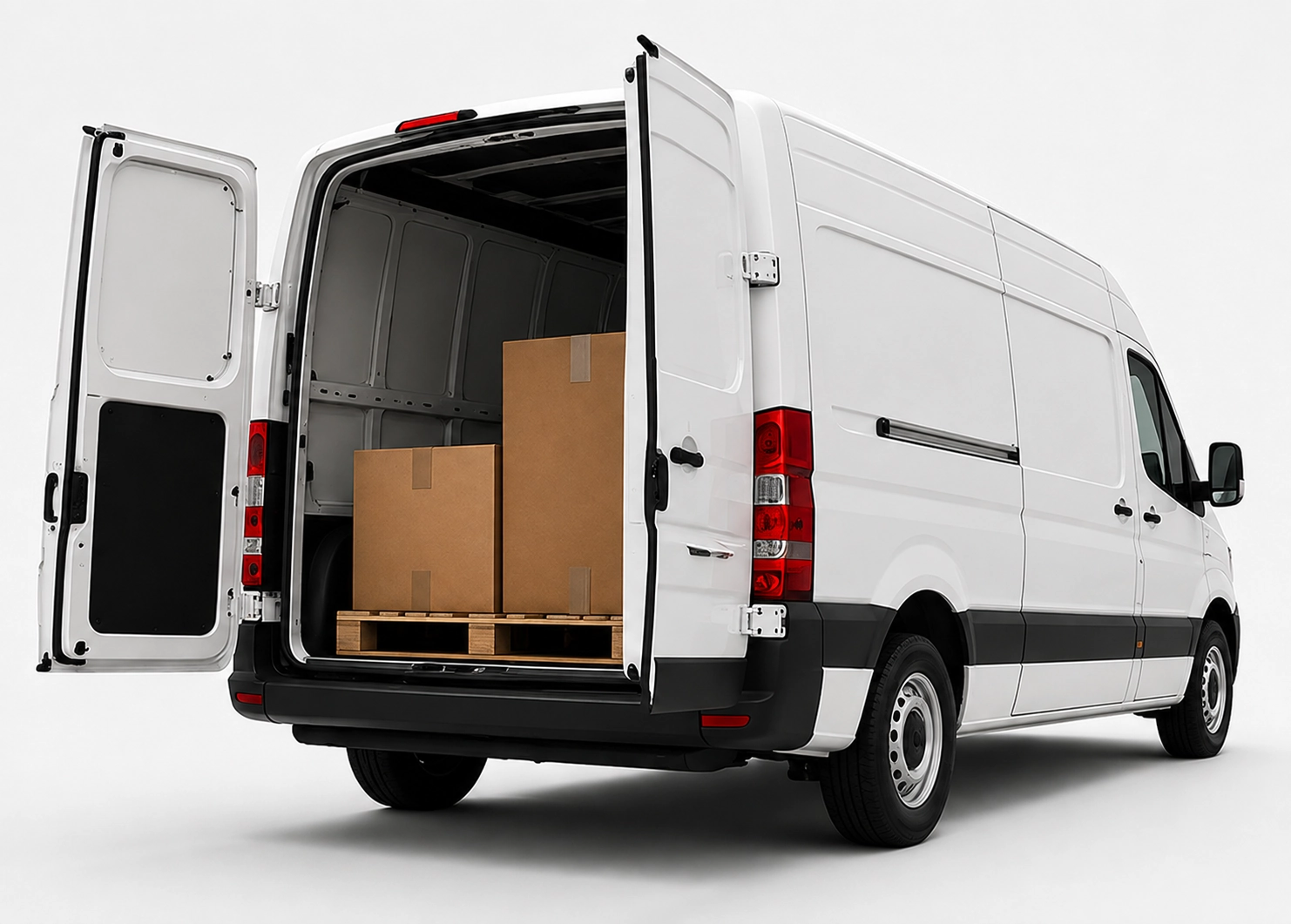
x25pronto Austria carries approved goods shipments by car, van or Van XL personally and without unnecessary transhipment. Direct and overnight trips can be booked Monday to Sunday – subject to availability in the booking calendar.
How to write practical SLAs for direct courier services
Practical SLA language for direct couriers: clear time windows, realistic liability limits and ready-to-use booking confirmation text.
Quick answer
A practical SLA for direct courier services sets measurable time windows, clear liability rules and precise booking-confirmation content. State service targets (e.g. pickup within 60 minutes), exceptions (weather, road closures), liability caps and the exact fields customers will see in confirmations. Use simple, testable language and a standard confirmation format: pickup time, delivery target, weight/pack status, liability scope and escalation contact.
What a courier SLA should cover
An SLA (service-level agreement) defines expectations for both customer and provider. For direct couriers it focuses on response time, transit time, liability and exceptions. The aim is clarity: both sides should know when an order is complete and how incidents are handled.
Write concrete time windows
Time windows are the core of a courier SLA. Use fixed, measurable values: e.g. "Pickup within 60 minutes after confirmation in Wien-Mitte" or "Delivery within 4 hours in Graz city area." Separate local express jobs from longer trips. Specify the time base (booking time, confirmation time or driver acceptance) and the time zone.
Set liability and claims rules
Phrase liability simply and concretely: state a maximum liability per shipment or refer to insured declared values where available. Clarify which damages are covered (loss, physical damage) and which are excluded (poor packing, undeclared risk items). Define claim deadlines and required proof.
Template for booking confirmations
A standardized booking confirmation reduces queries. Include: 1) booking number, 2) confirmed pickup time (e.g. 09:00–09:15), 3) confirmed delivery window or target, 4) pickup and delivery addresses, 5) weight and pack status, 6) liability scope and exceptions, 7) complaint contact and hours. Optionally add a tracking link or map.
Exceptions and force majeure
Define common exceptions clearly: severe weather, accidents, strikes, official road closures. Say how these will be communicated (email and SMS) and whether reattempts are chargeable. Provide transparent escalation steps so customers know how to proceed.
Measurement, reporting and remedies
Explain how you measure service levels (telematics, scan timestamps). State reporting cadence (monthly, quarterly) and metrics (on-time pickup, on-time delivery, lost shipments). List possible remedies: credits, corrective actions or priority handling after repeated failures.
Frequently asked questions
How do I choose a realistic pickup window?
Base it on average times in the area and avoid overly tight windows. Urban pickups often use 30–60 minutes, outer areas 1–3 hours. Specify whether the window starts at booking, confirmation or driver acceptance.
What claim periods make sense?
Common periods are 24–48 hours to report an incident and 7–14 days for submitting full documentation. Shorter windows speed resolution but must be realistic.
What must a booking confirmation always include?
Booking number, confirmed pickup and delivery times, addresses, weight/pack status, liability scope, complaint contact and a tracking link.
How should I notify customers of SLA changes?
Notify customers in writing via email and in the customer portal with an effective date. Offer a transition period and highlight key changes.