

No detours.
Even overnight.
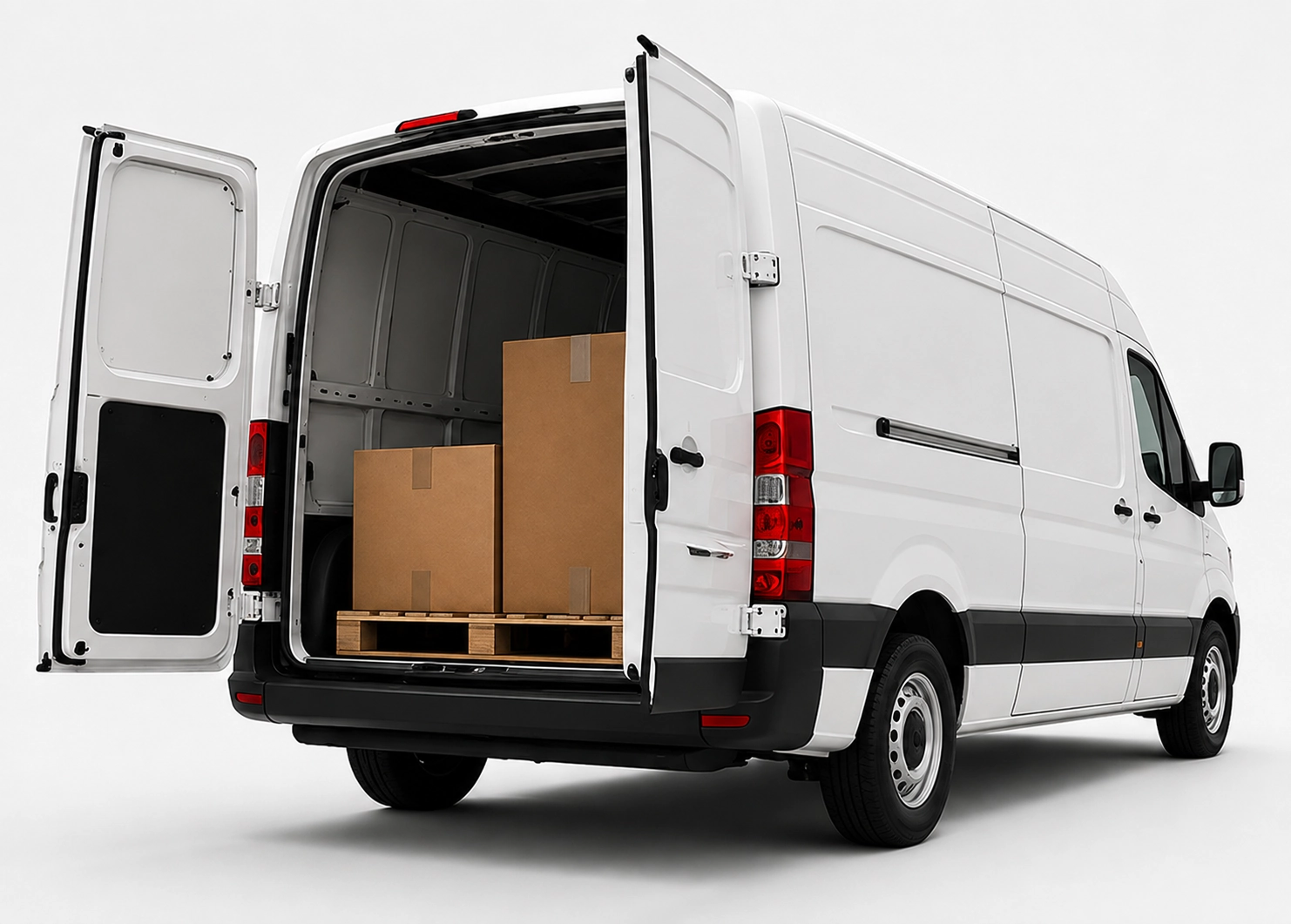
x25pronto Austria carries approved goods shipments by car, van or Van XL personally and without unnecessary transhipment. Direct and overnight trips can be booked Monday to Sunday – subject to availability in the booking calendar.
Time windows and SLAs: balancing cost and availability
Tight time windows raise costs and reduce available courier options. Learn how to choose time windows, write SLAs with measurable terms, and balance price versus availability.
Quick answer
Tight time windows increase costs and reduce availability. Choose realistic delivery windows, define clear, measurable SLA criteria, and offer tiered service levels to balance price and operational planning.
Short answer: why tight windows cost more
Tight windows limit driver flexibility and route optimization. That raises empty miles, waiting time and scheduling effort. As a result, narrower windows typically carry higher prices and fewer available courier options.
Why availability drops with narrow windows
Drivers must consider travel time, parking and legal rest rules. A one-hour pickup window reduces the number of jobs a driver can take on. In dense markets, narrow windows become a capacity constraint faster.
Writing SLAs: clear and measurable without legal promises
Use measurable, neutral terms: pickup window, target delivery window, response time for status updates and escalation contacts. Avoid absolute guarantees. Phrases like "Target: delivery within... under normal conditions" or "We aim for X% availability" are precise without creating legal promises.
Tiered service levels to manage cost
Offer levels such as Standard (4–6 hour window), Express (1–2 hours) and Premium (specific 1‑hour window). Customers pay for the precision they need. Internally, tiers improve utilization and make costs transparent.
Operational tips for business customers
1) Book flexible windows to save costs. 2) Avoid tight windows during peak times. 3) Communicate disruptions early. 4) Use GPS tracking and live updates to reduce friction. 5) Add buffers for mission‑critical shipments.
Example: urban versus rural impact
In cities like Wien or Graz more couriers are available, so tighter windows are easier but cost more in peaks. In rural areas narrow windows mean long drives and higher prices; a wider window is usually more economical.
Frequently asked questions
How tight should a courier time window be?
A 2–4 hour window is often cost-effective. For higher precision choose 1–2 hours but expect higher fees.
How do I write an SLA without legal guarantees?
Use terms like "target" or "standard" and set measurable KPIs such as response time or percentage availability. Avoid absolute words like "guarantee".
Do peak times affect prices for narrow windows?
Yes. Capacity costs rise in peak periods. Narrow windows during peaks usually come with higher surcharges.
What to do for critical deliveries?
Choose a confirmed time window service, keep recipients informed, and build a timing buffer for unexpected delays.