

No detours.
Even overnight.
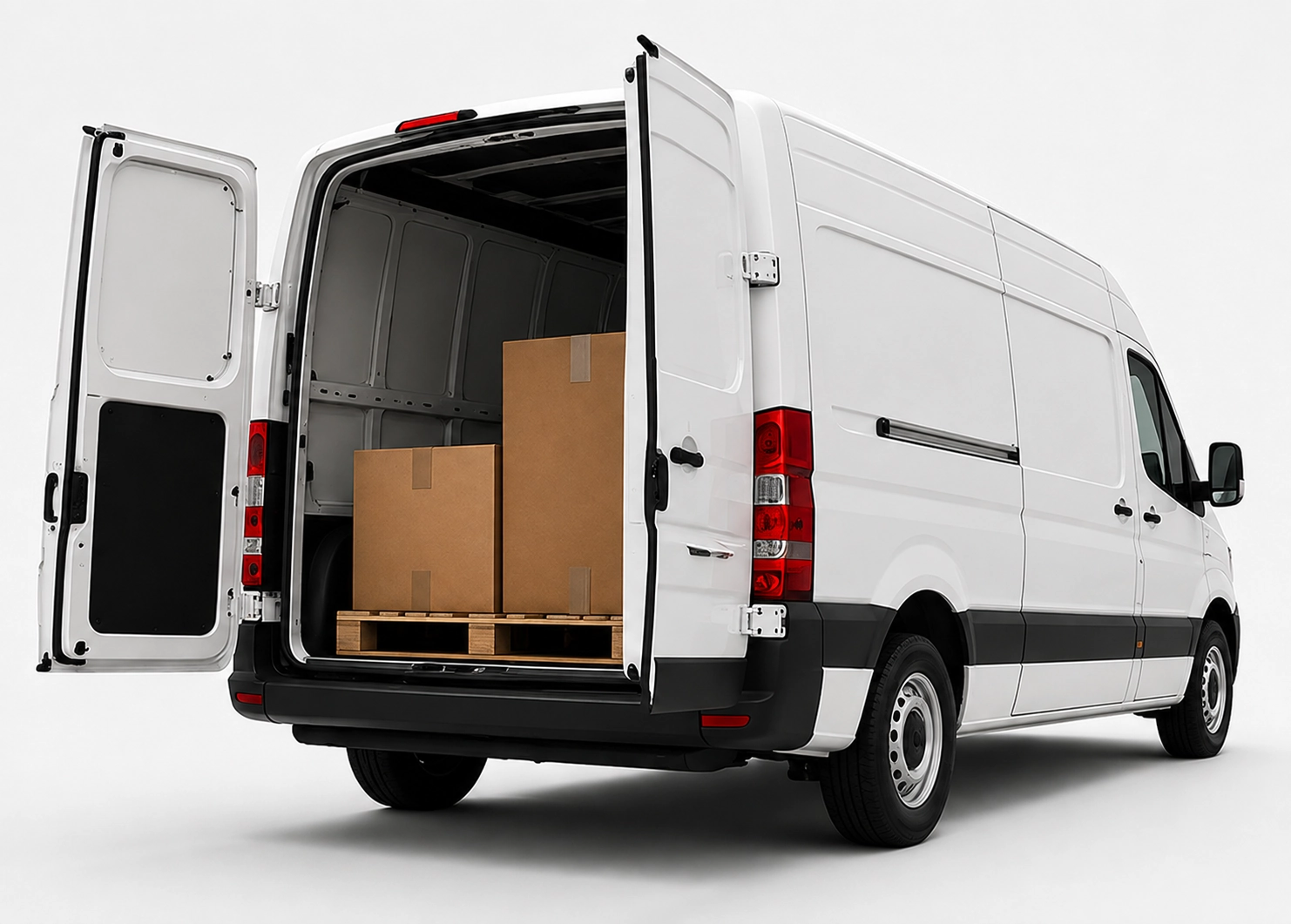
x25pronto Austria carries approved goods shipments by car, van or Van XL personally and without unnecessary transhipment. Direct and overnight trips can be booked Monday to Sunday – subject to availability in the booking calendar.
Standardised packaging guidelines for spare parts
Practical instructions on dimensions, padding materials and labelling to reduce damage in courier transport. Checklist and examples for x25pronto shipments.
Quick answer
For safe courier transport of spare parts you need standardised package sizes, suitable cushioning and clear labelling. Use sturdy outer boxes, shock-absorbing inserts (foam, corrugated pads, bubble wrap) and secure heavy items separately. Mark fragile items, include a content description and the consignment number. This lowers damage risk and speeds up handling with the courier.
Why standardised packaging matters
Standardised packaging reduces transport damage. Consistent sizes and padding make handling in the vehicle easier. For businesses this means fewer returns and faster processing at delivery.
Recommended outer boxes and sizes
Use single-wall cartons for light items (up to 5 kg) and double-wall cartons for heavier or bulkier parts. Standard sizes help optimise vehicle space. Examples: 30x20x10 cm for small parts, 40x30x20 cm for medium parts, up to 60x40x40 cm for items that still fit in a passenger car.
Cushioning materials and internal layout
Pick cushioning by fragility: foam inserts for precision parts, bubble wrap for general shock absorption, and corrugated or honeycomb cardboard to stabilise. Separate moving parts with dividers or foam wedges. Pack small parts in sealed bags to prevent abrasion.
Weight distribution and securing items
Place heavy components low and central in the box. Use edge protection and extra padding at impact points. Secure loose parts with tape or cable ties in inner containers. Label boxes 'Heavy - place below' where relevant.
Labelling: required information and helpful notes
Every consignment needs a visible tracking number, sender and recipient address, and a short content description. Add stickers like 'fragile', 'this side up' and 'weather protected'. QR codes or barcodes speed up warehouse scanning and traceability.
Pre-courier handover checklist
1) Outer box intact and correctly sized. 2) Internal cushioning prevents movement. 3) Tracking number visible. 4) Weight within passenger-car limits and well distributed. 5) Shipping documents enclosed (delivery note, return info). 6) Take photos of the packed item for claims.
Frequently asked questions
What box size works best for spare parts?
It depends on the part. Small parts go in 30x20x10 cm, medium in 40x30x20 cm and bulky but car-compatible items up to 60x40x40 cm. Use the smallest suitable sturdy box.
Which cushioning protects best?
Cut foam is best for delicate precision parts. Bubble wrap is versatile for general shock protection. Combine materials when needed.
Do spare parts need special labels?
Yes. At minimum include sender, recipient, tracking number and a content description. Extra notes like 'fragile' or 'this side up' improve handling.
Anything special for packaging for courier transport by car?
Pack compactly and secure items firmly. Ensure the parcel fits passenger-car size and weight limits. Avoid protruding or unstable packages.